The idea
Your inventory isn’t what you have — it’s what you can make
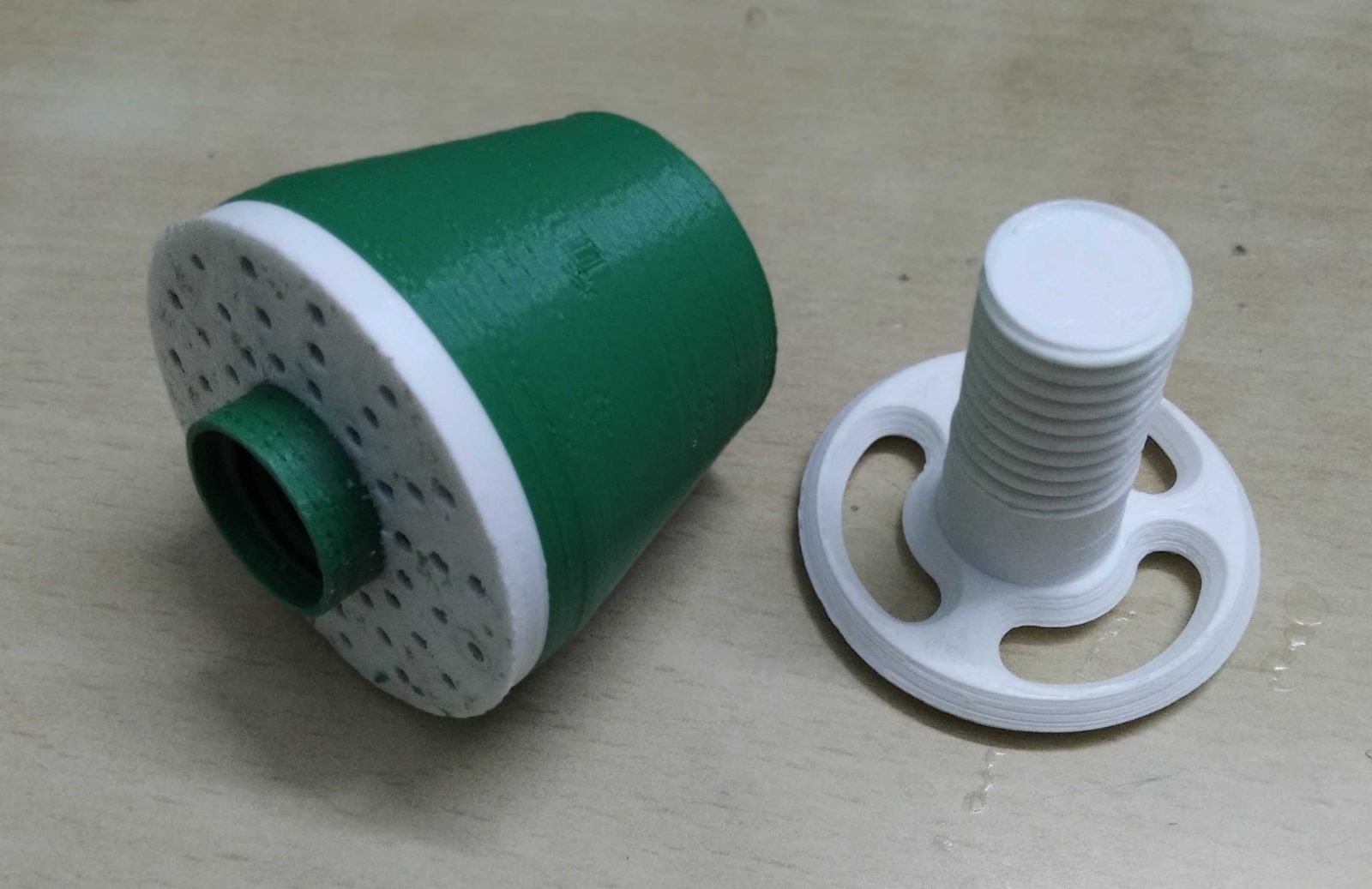
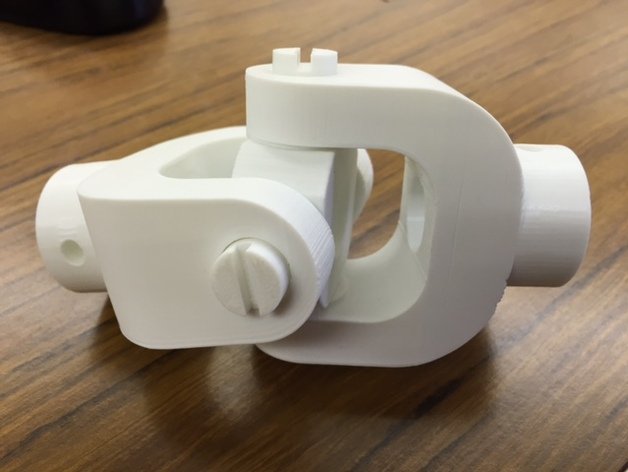
Digitise a spare part once, store the file, and produce it on demand by 3D printing, CNC or casting. No shelves of slow-moving stock, no write-offs when a product is phased out, and no scramble when a discontinued part is suddenly needed.
- Scan or model legacy parts into clean, print-ready CAD.
- Order a single piece or a batch, whenever you need it.
- Material and process matched to the original part’s function.
- Your files, held securely — NDA on request.
How it works
From shelf to digital catalogue
Identify parts
We review your spares list and pick the slow-movers, obsolete parts and long-tails worth digitising.
Digitise
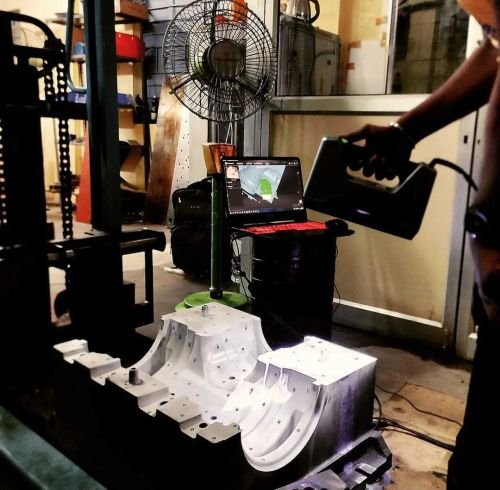
3D scan a sample or model from an old drawing to create a clean, editable CAD master.
Validate
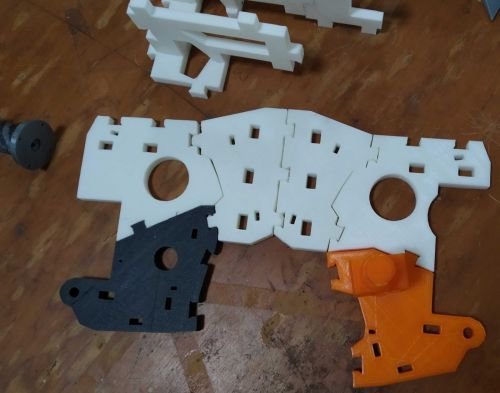
A first article is printed and checked for fit, function and material against the original.
Catalogue
Approved parts join your digital catalogue with the right process and material recorded.
Order on demand
Request a part, we produce and ship it — often faster than a stocked reorder.
Best-fit parts
Which spares belong in a digital inventory
Phased-out & end-of-life
Keep supporting products long after the production line has stopped.
Long-tail slow movers
Parts that sell a handful a year but still tie up shelf space and cash.
Small service batches
Kits and service packs made to order instead of forecast.
No supplier or tooling
Parts whose original mould, die or vendor no longer exists.
Emergency breakdown spares
Critical parts you cannot afford to wait weeks for.
Legacy equipment
Old machines with no CAD — we rebuild the parts from the part itself.
Why it works
Less stock, less risk, less cash tied up
lower total cost on suitable spare parts once warehousing, obsolete stock and expedited freight are taken out of the equation.
Materials & processes
Matched to the part, not the machine
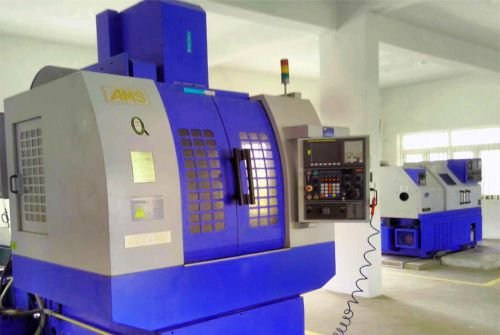
We print in the right polymer or metal — and switch to CNC machining or casting when that is the better fit for the spare.
FAQ
Common questions
Which spare parts are suitable for on-demand 3D printing?
Slow-moving and long-tail spares, phased-out and end-of-life parts, small service batches, and parts whose original tooling or supplier no longer exists. High-volume fast movers are usually better held in stock.
What if we have no CAD file for the part?
We 3D scan a sample part and reverse engineer it into a clean, editable CAD model, or model it from an old drawing. That model becomes the master for every future print.
Are 3D printed spares as good as the original?
For the right parts, yes. We select a material and process that meets the original part’s strength, temperature and fit, and validate the first article before it goes into your catalogue.
How are our design files stored and protected?
Files are held securely and treated as confidential; we are happy to sign an NDA. You own the CAD and can take a copy at any time.
Is there a minimum order?
No. Once a part is in your digital catalogue you can order a single piece or a batch, whenever you need it.
How fast can you supply an emergency breakdown spare?
If the part is already digitised, a printed spare can ship within a day or two. First-time parts need scanning and validation first.
Related services