When to use it
Real parts, in the real plastic, at real volume
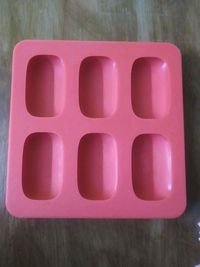
Once your design is frozen and you need hundreds to hundreds of thousands of identical parts in the actual production material, injection moulding is the answer. Below that, silicone moulding covers 10–100 off; above it, hard production tooling takes over. We help you land in the right place.
- Rapid aluminium tooling for speed; hardened steel for high volume.
- DFM review before any steel is cut — draft, walls, ribs, bosses, gates.
- Engineering-grade and speciality resins, textures and colour matching.
- One partner from CAD to boxed, inspected parts.
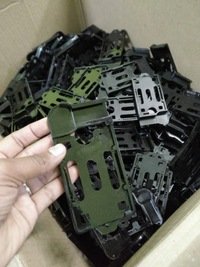
Tooling options
The right mould for your volume
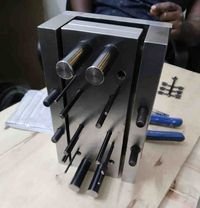
Rapid aluminium tooling
First parts in ~2–3 weeks. Comfortably runs hundreds to tens of thousands — ideal for pilot runs and market testing.
Production steel tooling
Hardened, multi-cavity, hot-runner tools built for 100,000+ parts and long, unattended runs.
Bridge tooling
A quick interim tool that keeps parts flowing while a full production tool is being cut.
Tool modification & repair
Re-work of existing tools — new inserts, revised gating and cooling to fix flash, short shots or warpage.
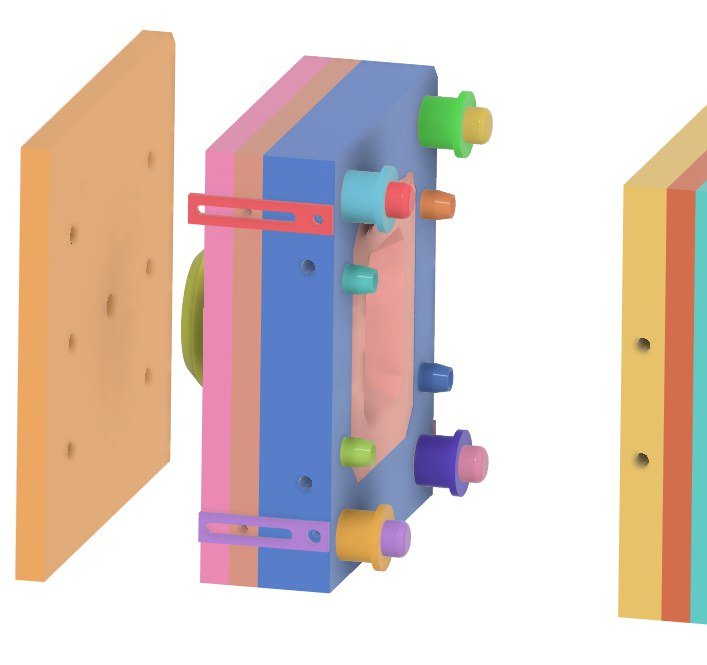
How it works
From CAD to production run
DFM review
We check the part for draft, wall thickness, ribs, bosses, sink and gate position, and feed back changes before tooling.
Tool design
Cavity count, parting line, gating, ejection, venting and cooling are engineered around your part and volume.
Tool manufacture
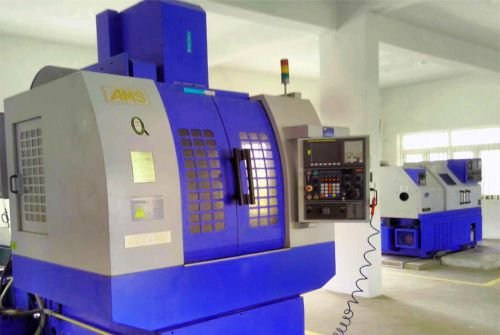
The mould is machined, assembled and fitted — aluminium for speed or hardened steel for volume.
T1 samples & tryout
First shots are run and measured against your drawing; we review results with you.
Adjustments & approval
Any tuning to the tool or process, then a signed-off first-article report.
Production & QC
The run is moulded, inspected to your spec, packed and dispatched.
Materials
Engineering-grade & speciality resins
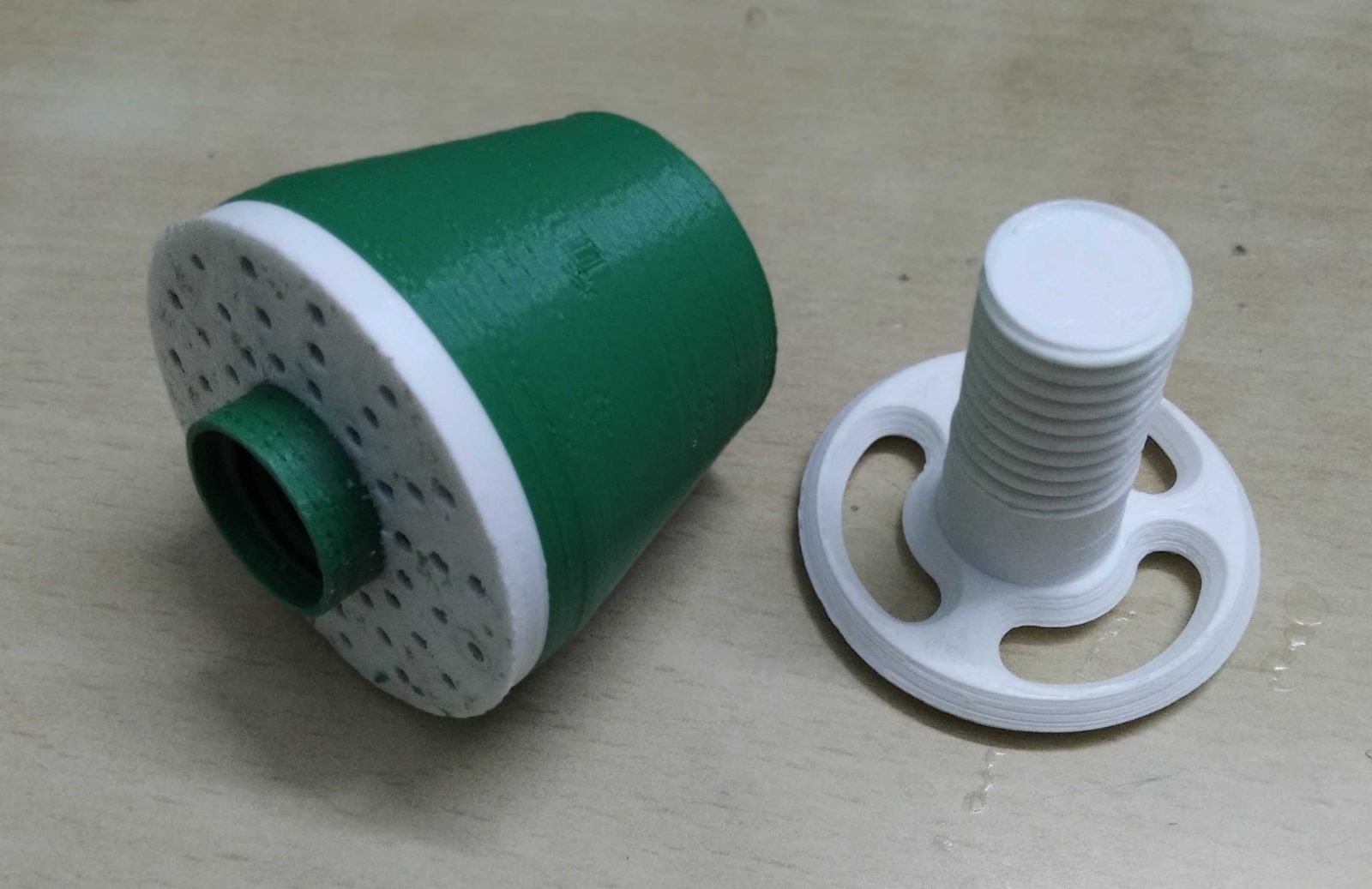
Moulded in the polymer you will ship in — matched for strength, temperature, finish and compliance.
Finishes & options
Cosmetic and functional finishing
Why Printlay
Fewer surprises, faster parts
DFM before you cut steel
Every part is reviewed for mouldability first, so the tool works on the first tryout.
One partner, CAD to boxed parts
Design, tooling, moulding, finishing and QC coordinated by one team.
Fast, engineer-checked quotes
A real engineer scopes your tool and part cost — not an automated guess.
Your tool, kept & maintained
The mould is yours; we store and service it so repeat runs start immediately.
FAQ
Common questions
What is the minimum order quantity for injection moulding?
There is no hard minimum once a tool exists, but injection moulding usually makes sense from a few hundred parts upward. For 10 to 100 parts, silicone moulding and vacuum casting are often faster and cheaper.
Rapid aluminium tooling or hardened steel tooling — which do I need?
Aluminium tooling is faster and cheaper and comfortably runs hundreds to tens of thousands of parts — ideal for pilot runs and market testing. Hardened steel, multi-cavity or hot-runner tooling is worth it once you are committing to 100,000 parts or more.
How soon can I get first moulded parts?
With rapid aluminium tooling, first (T1) samples are typically 2 to 3 weeks after design sign-off, followed by adjustments and the production run.
Do I own the mould tool?
Yes. The tool is yours once paid for. We store and maintain it so repeat runs start immediately.
Can you mould from my existing CAD?
Yes — send a STEP or Parasolid model. We run a DFM review first and feed back any changes to draft, wall thickness, ribs, bosses or gate position before the tool is cut.
Related services