What it is
The pattern is where a good casting starts
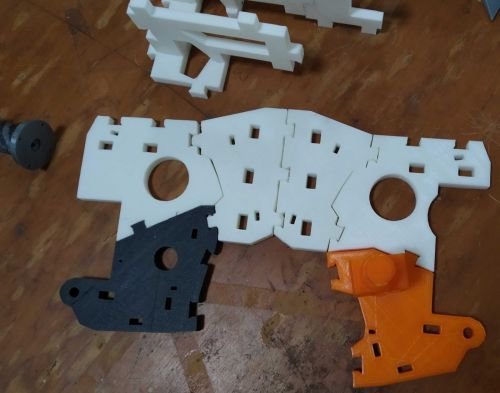
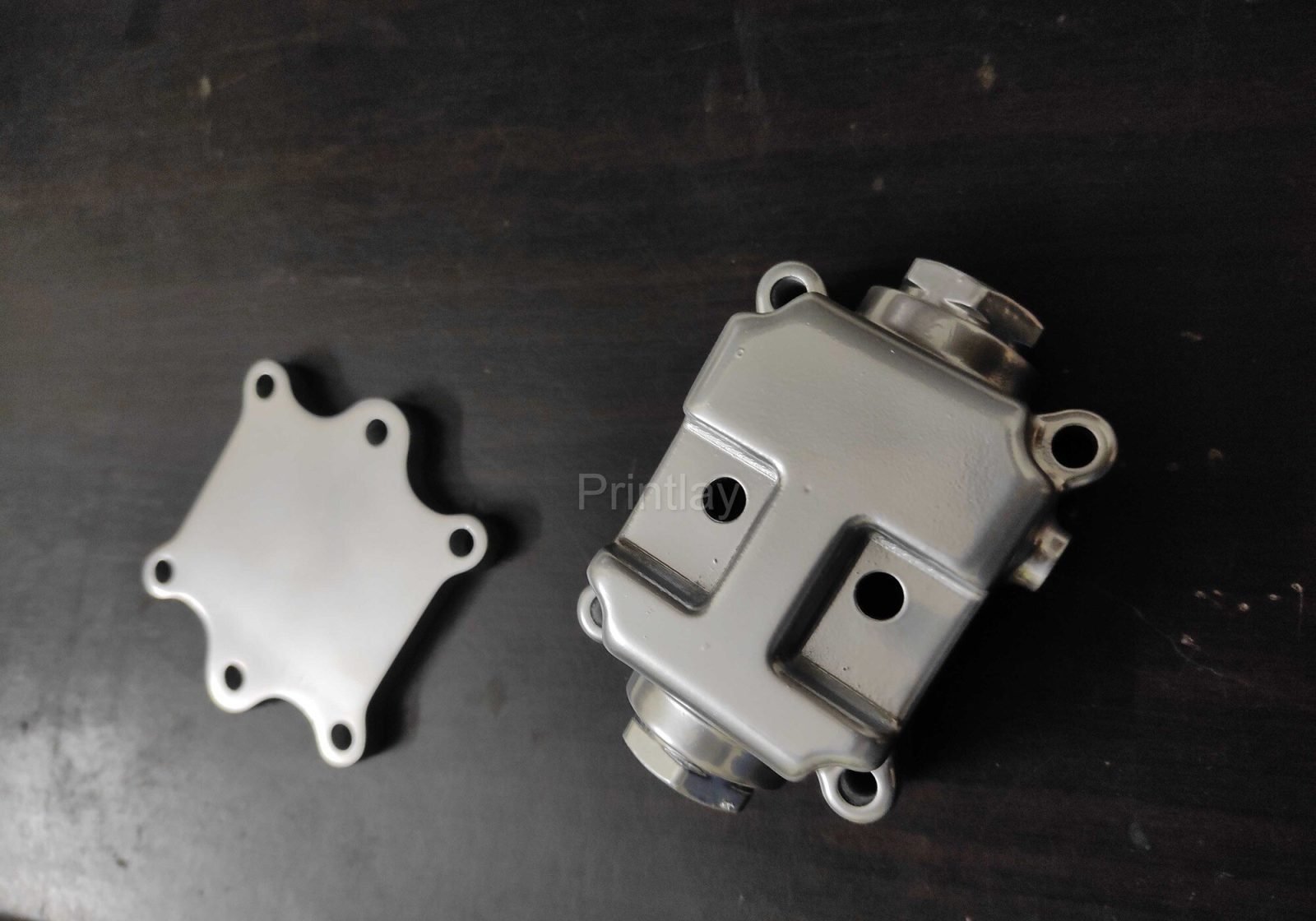
A pattern forms the cavity in the mould that the metal fills. We produce patterns, core boxes, match plates and gating from your CAD or a sample part — 3D printed for speed and complex geometry, or CNC machined in aluminium and tooling board for repeat foundry use.
- Shrinkage scaled for your alloy, plus machining stock and draft.
- Core prints, core boxes and gating designed to suit your moulding line.
- Colour-coded and sealed, ready to hand straight to the foundry.
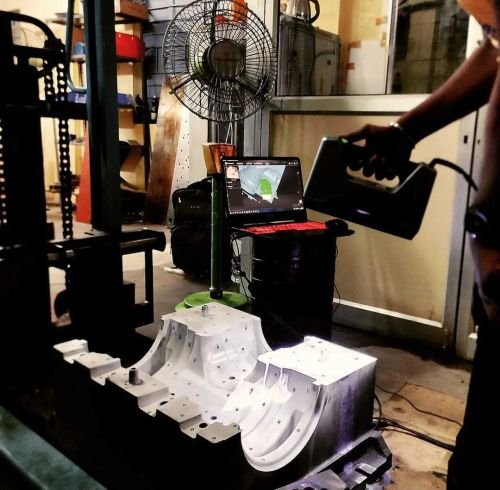
- Only have a worn pattern or a sample casting? We scan and rebuild it.
Capabilities
Patterns we make
Sand casting patterns
Loose patterns, match plates and cope-and-drag pattern sets for green sand and no-bake moulding.
Core boxes
Split and dump core boxes with vents and prints, matched to your pattern and casting.
Investment casting patterns
Sacrificial 3D printed and castable-wax patterns, plus tooling to injection-mould wax patterns.
Gating & runner systems
Sprue, runner, gate and riser design added to the pattern for clean fill and feeding.
Prototype & one-off patterns
Fast single-use patterns for trial castings before committing to production tooling.
Master patterns
Masters for silicone and rubber tooling where a cast copy of the pattern is needed.
How we work
From drawing to foundry-ready pattern
Drawing & sample review
We review the casting drawing or scan your sample part, and confirm the alloy, moulding process and machined faces.
Allowances
Contraction for the alloy, machining stock, draft, fillets and distortion allowance are applied to the model.
Pattern & core-box design
Parting line, core prints, core boxes, locating and the gating system are designed around your line.
Manufacture
The pattern is 3D printed (SLA or FDM) or CNC machined in aluminium, tooling board or hardwood.
Finishing & colour coding
Surfaces are filled, sealed and colour-coded to IS 5334 so the foundry can read it at a glance.
Dimensional check & handover
Key dimensions are verified against the drawing before the pattern and core boxes are delivered.
How patterns are made
Three routes, one right choice for your job
3D printed patterns
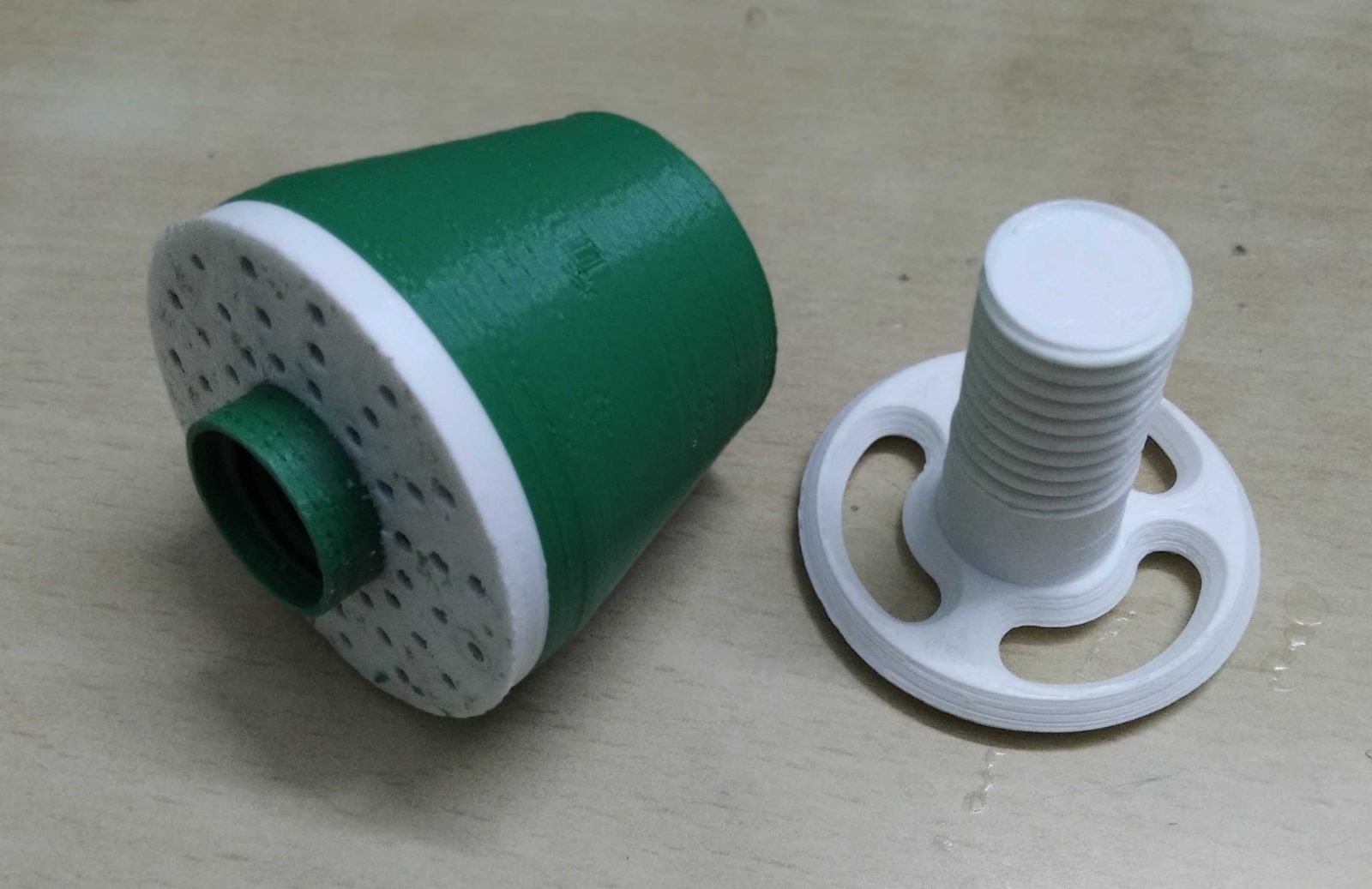
Fast, no draft limits, complex cores possible. SLA for fine detail, FDM for large and robust. Best for prototype and low-volume.
CNC machined patterns
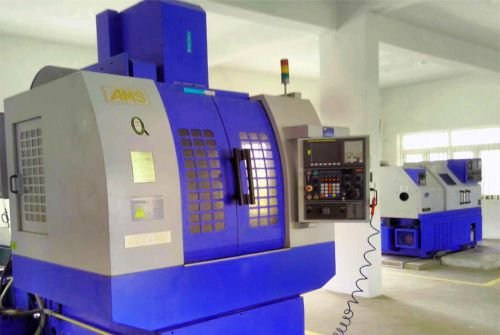
Aluminium, resin tooling board or hardwood — durable for repeated moulding and higher production volumes.
Reverse-engineered patterns
We 3D scan a sample casting or a worn pattern, rebuild clean CAD, correct the wear, and make a fresh set.
Pattern materials
Materials we work in
Casting processes
Patterns for every route
Why Printlay
Patterns that cast right the first time
Allowances built in right
Contraction, machining stock, draft and fillets applied for your specific alloy and process.
Faster than hand pattern-making
A digital model goes straight to a printer or CNC — days, not weeks.
Complex cores, no problem
Internal passages and multi-core assemblies are modelled and split cleanly.
From CAD or a worn sample
Start from a drawing, or let us scan and rebuild an existing pattern.
FAQ
Common questions
Can you 3D print a pattern I can pour molten metal into?
A pattern is used to form the mould cavity, not to hold metal. We 3D print or machine the pattern and core boxes; the foundry then makes the sand mould. We can also 3D print sand moulds and cores directly, and sacrificial patterns for investment casting.
Do you add shrinkage and machining allowance?
Yes. We scale the pattern for the alloy’s contraction (around 10 mm/m for cast iron, 13 mm/m for aluminium, 20 mm/m for steel), add machining stock on faces you will finish, and build in draft and fillets.
I only have a worn old pattern or a sample casting — can you help?
Yes. We 3D scan the sample or existing pattern, rebuild a clean CAD model, correct wear and damage, and produce a new pattern and core boxes.
3D printed or CNC machined pattern — which should I choose?
3D printing is faster and handles complex shapes and cores, and suits prototype and low-volume work. CNC machined patterns in aluminium or tooling board are more durable for repeated moulding and higher production.
How long does a pattern take?
A simple 3D printed pattern can be ready in a few days; match plates, multi-part patterns and core-box sets take longer depending on size and complexity.
Related services