Our focus — prosthetics & orthoses
Devices built around one patient
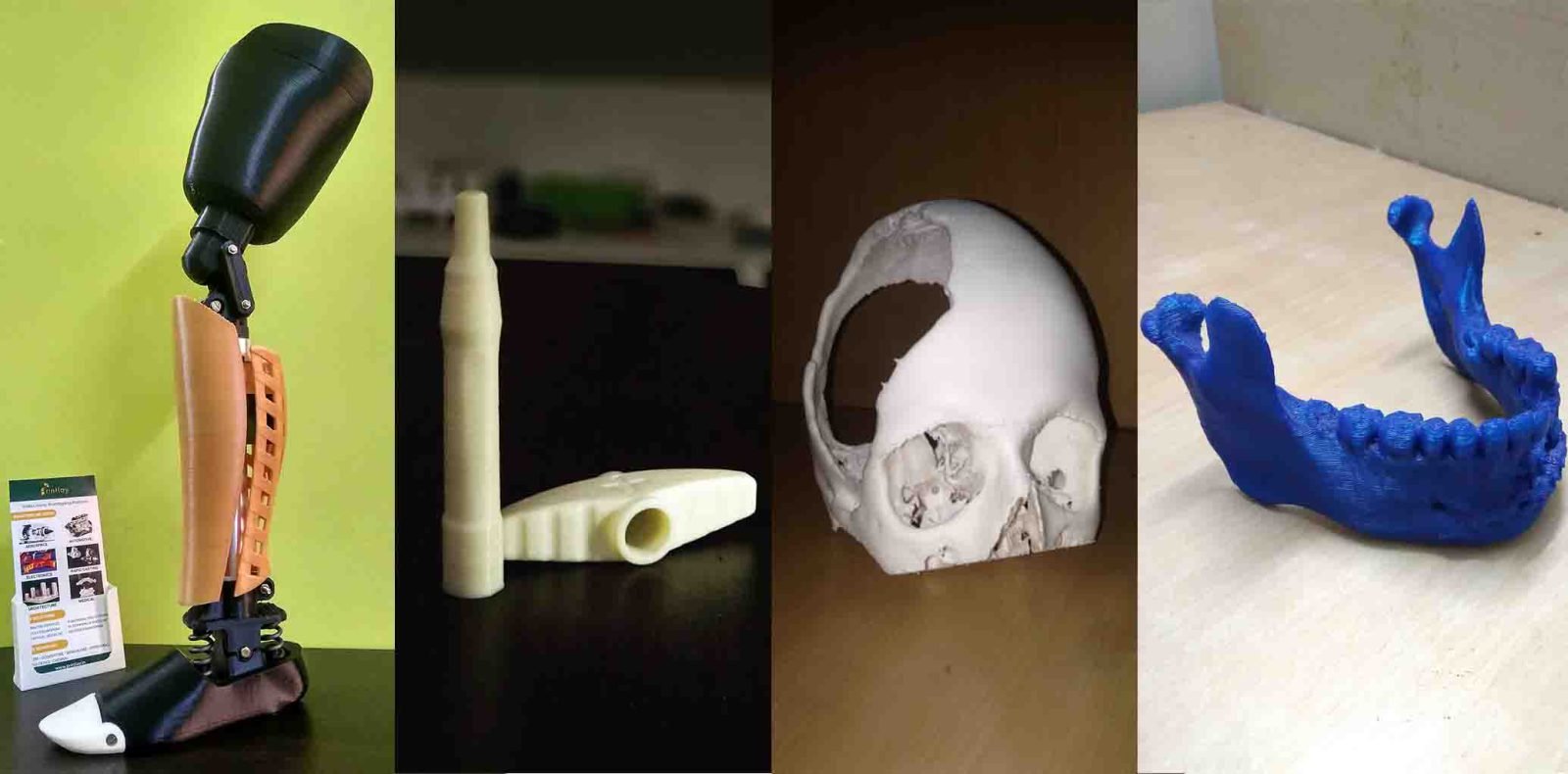
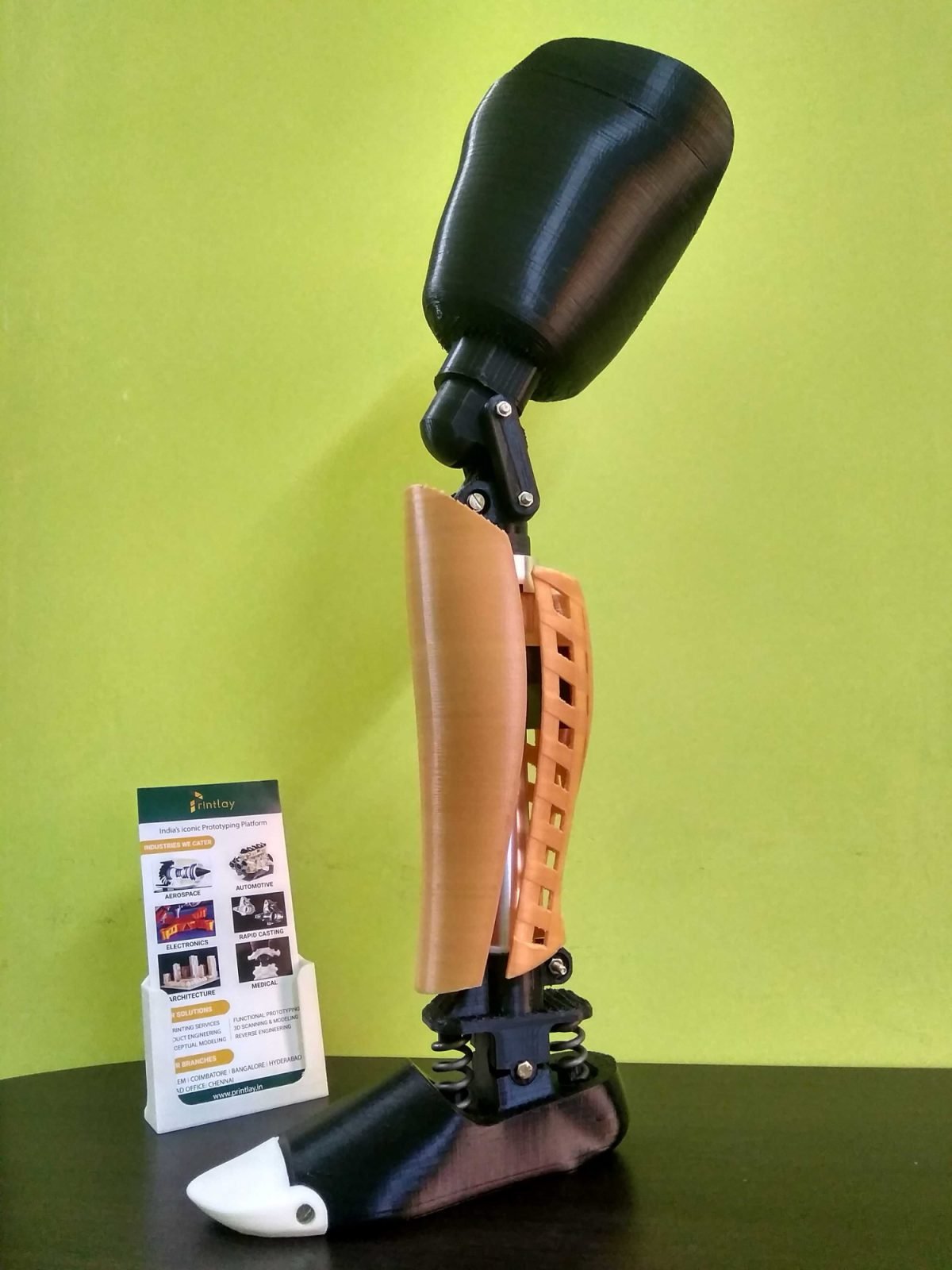
We 3D print custom-fit prosthetic and orthotic devices from a 3D scan of the limb — lighter than laminated or thermoformed devices, faster to iterate, and far more affordable. That means a better fit sooner, and easy remakes as a child grows or a residual limb changes shape.
- Prosthetic sockets & check sockets, partial-hand and cosmetic devices.
- Ankle-foot orthoses, wrist and hand splints, spinal and cranial orthoses.
- Ventilated, washable and lattice-lightened for comfort.
- Colour, texture and pattern options — especially for paediatric users.
- Delivered in collaboration with your prosthetist or clinical team.
How it works
Scan or CT to finished part
Share your data
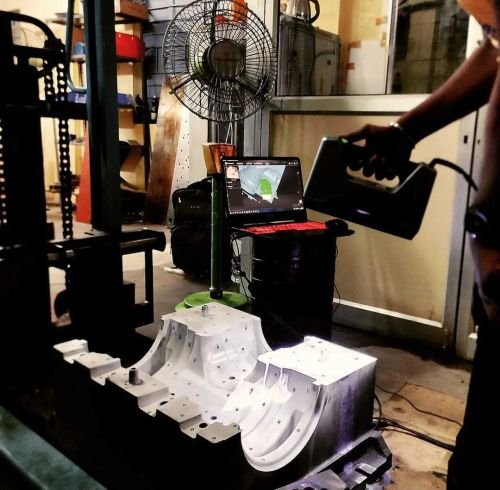
Send a CT / MRI in DICOM, a 3D surface scan, or an STL. We can also scan a cast or model at our lab.
We prepare the model
Segmentation, cleanup, socket or guide design and fit checks — reviewed with your clinician.
We 3D print it
Printed in the right biocompatible or skin-safe material on FDM, SLA, SLS or metal DMLS.
We deliver
Cleaned, post-cured and, where needed, sterilised — models and guides often within 24–48 hours.
Applications
Where medical 3D printing helps
Prosthetics & orthoses
Custom-fit sockets, partial-hand devices, AFOs, splints and braces from a limb scan.
Pre-surgical models
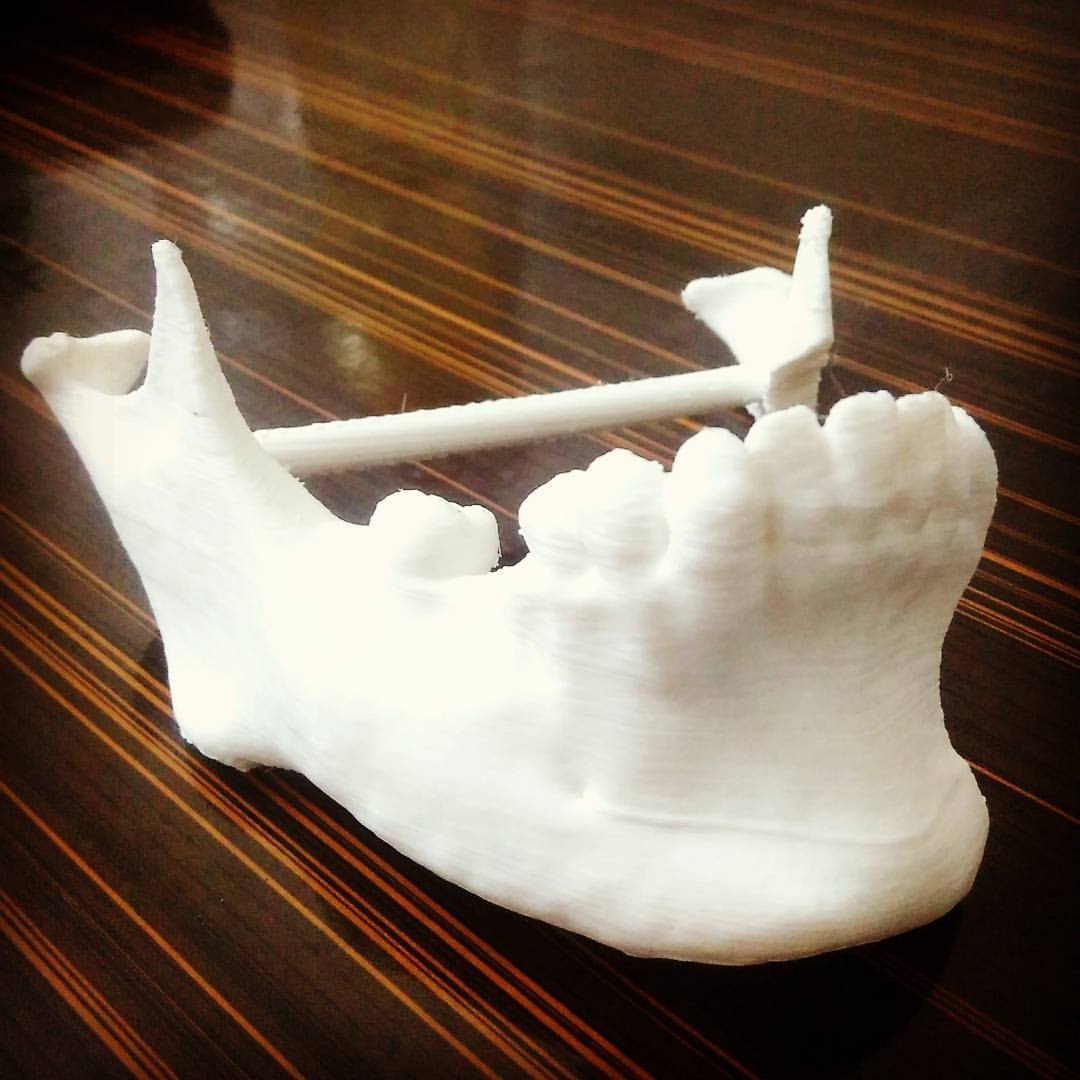
Accurate patient anatomy for planning, rehearsal and consent — and shorter theatre time.
Surgical & drill guides
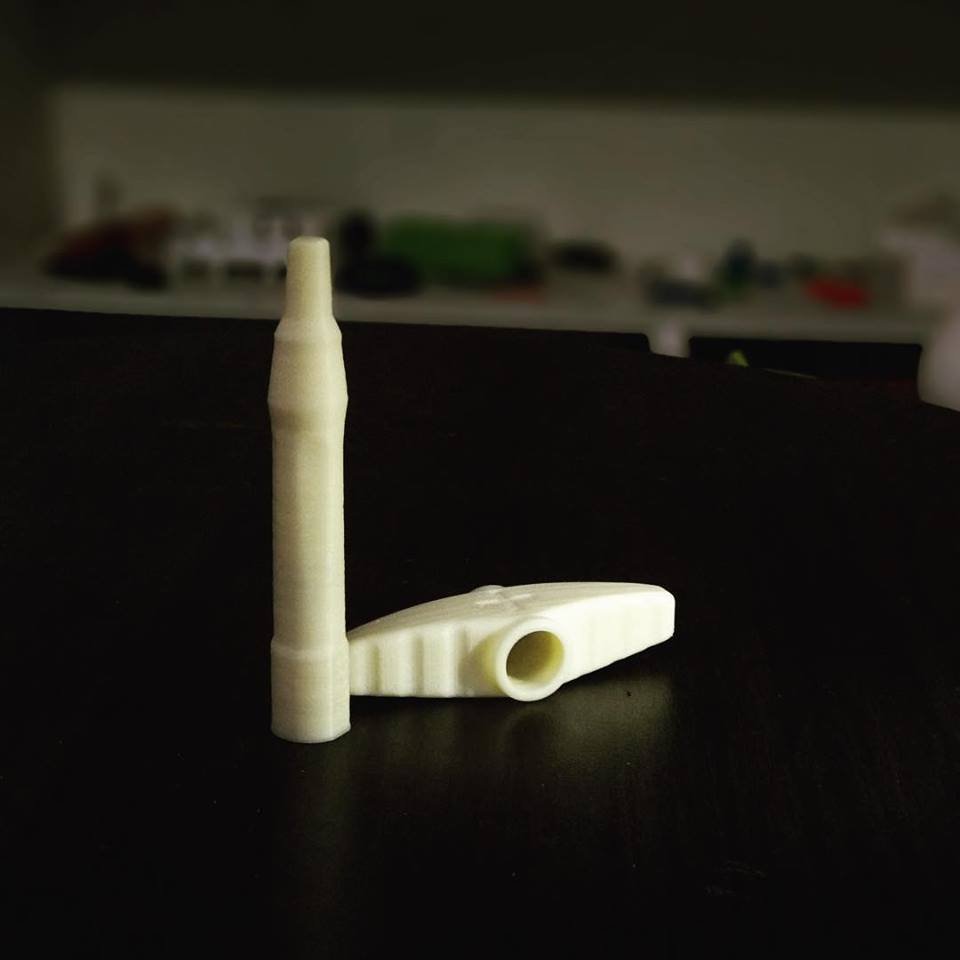
Patient-specific cutting and drilling guides in autoclavable biocompatible resin.
Dental & orthodontics
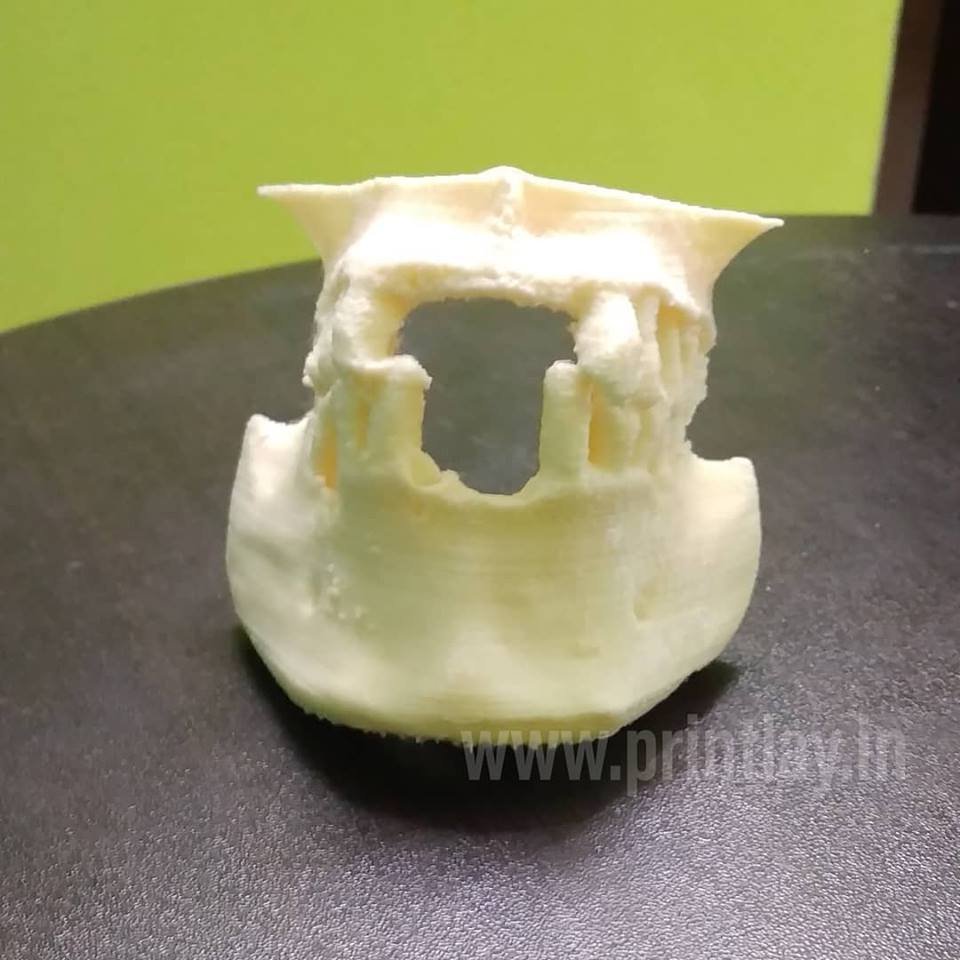
Models, aligner and retainer formers, splints and appliance bases.

Cranial & maxillofacial
Defect models and templates for reconstruction and implant planning.
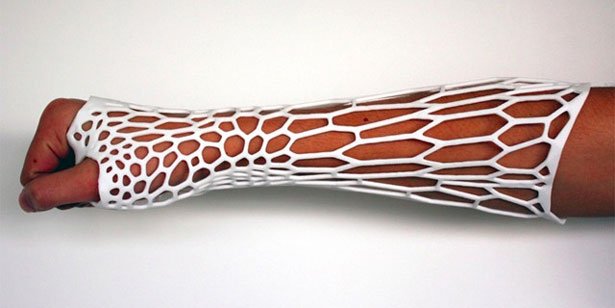
Casts & splints
Ventilated, washable, low-profile casts — no itch, bulk or smell.
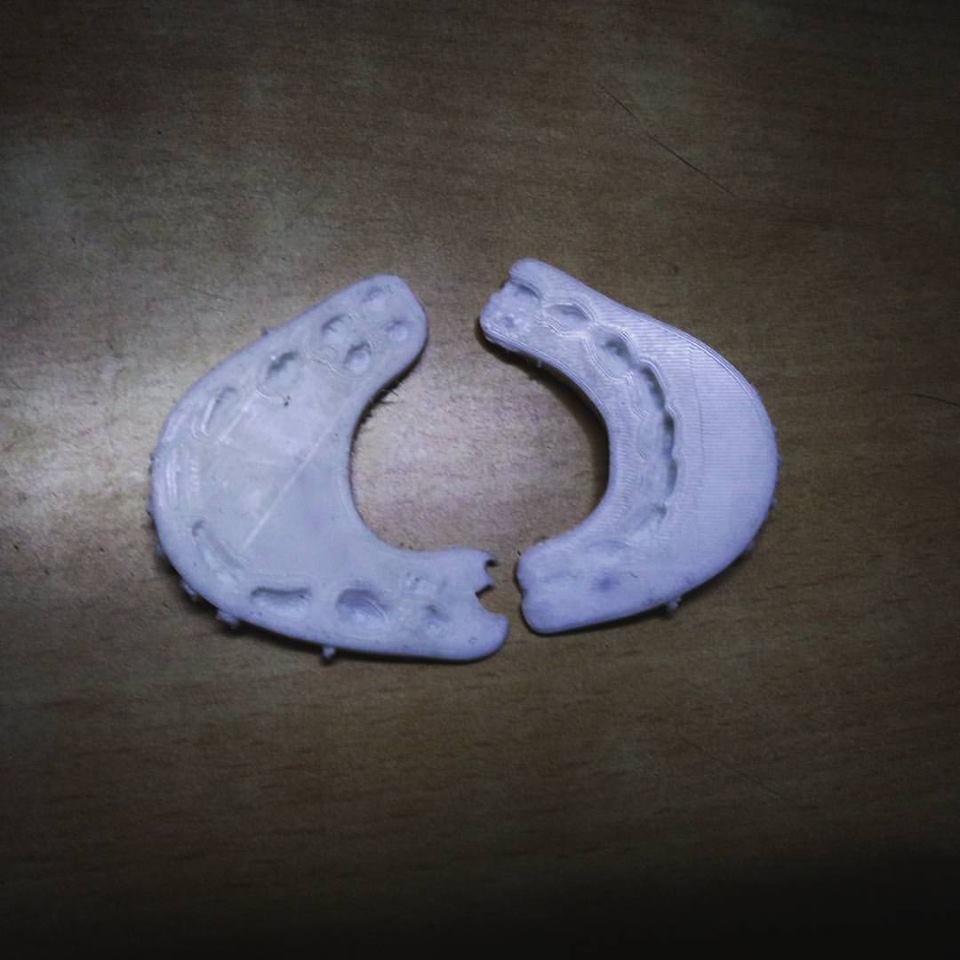
Dental restorations
Working models and try-in parts for crowns, bridges and implant restorations.
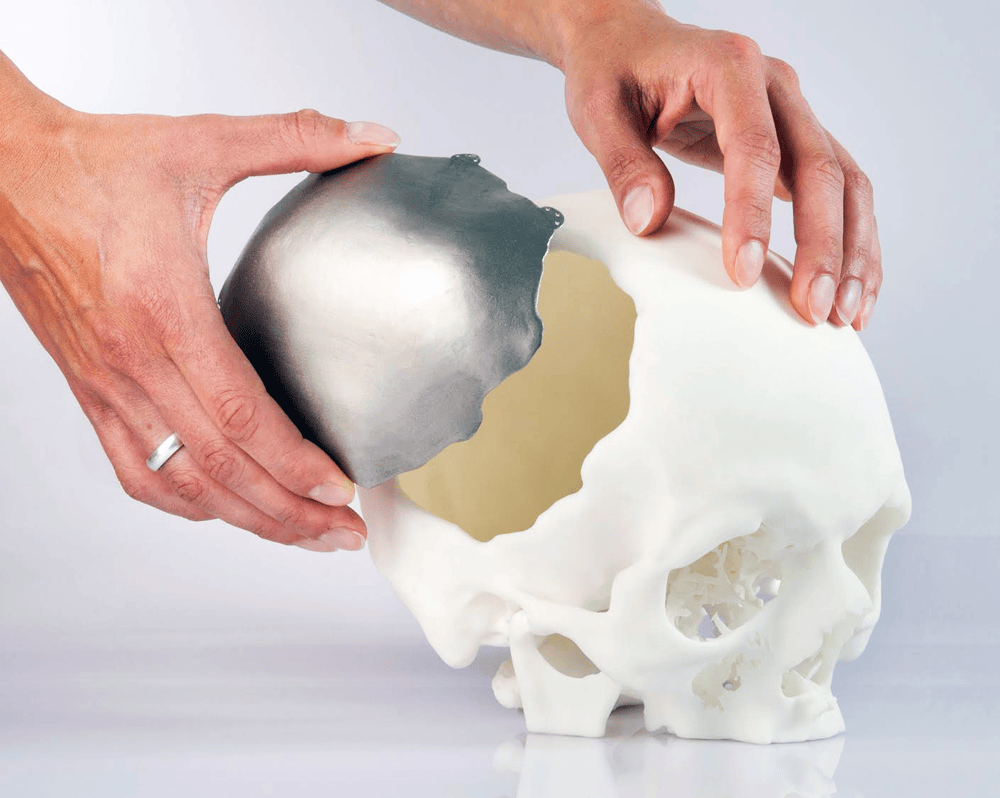
Patient-specific implants
Implant models for rehearsal, and implant-grade titanium parts to your clinical spec.
Materials
Skin-safe, biocompatible & sterilisable
Chosen for the contact type and the sterilisation the part needs.
Why 3D print for medical
The clinical case
A fit for one patient
Geometry taken straight from the patient’s own anatomy — not a nearest-size off the shelf.
Iterate fast, cheaply
Re-print a revised socket or guide in a day; remake as a child grows without a full re-fabrication.
Lighter & ventilated
Lattice and infill make devices lighter and cooler than laminated or plaster equivalents.
Rehearse before theatre
A physical model lets the surgical team plan and practise, reducing OT and anaesthesia time.
FAQ
Common questions
Do you make custom 3D printed prosthetics?
Yes. Working from a 3D scan of the residual limb or the sound side, we print lightweight, custom-fit prosthetic sockets, partial-hand and cosmetic devices, and orthoses and braces, in collaboration with your prosthetist or clinician.
What data do you need to start?
A CT or MRI export in DICOM for bony anatomy, a 3D surface scan for prosthetics and orthoses, or an existing STL. We can also 3D scan a cast or model at our lab.
Are the materials biocompatible and sterilisable?
We use skin-safe nylon and TPU for prosthetics and orthoses, and biocompatible, autoclavable resins for surgical guides and dental parts. Metal implant parts are printed in medical-grade titanium to your clinical specification.
How fast is turnaround?
Anatomical models and guides are often ready within 24 to 48 hours of receiving clean data. Prosthetic and orthotic devices depend on fitting iterations.
Do you produce implants?
We print patient-specific implant models for surgical rehearsal, and implant-grade titanium parts manufactured to the design and regulatory pathway defined by your clinical team.
Related services