What it is
Real production parts, before you commit to mass production
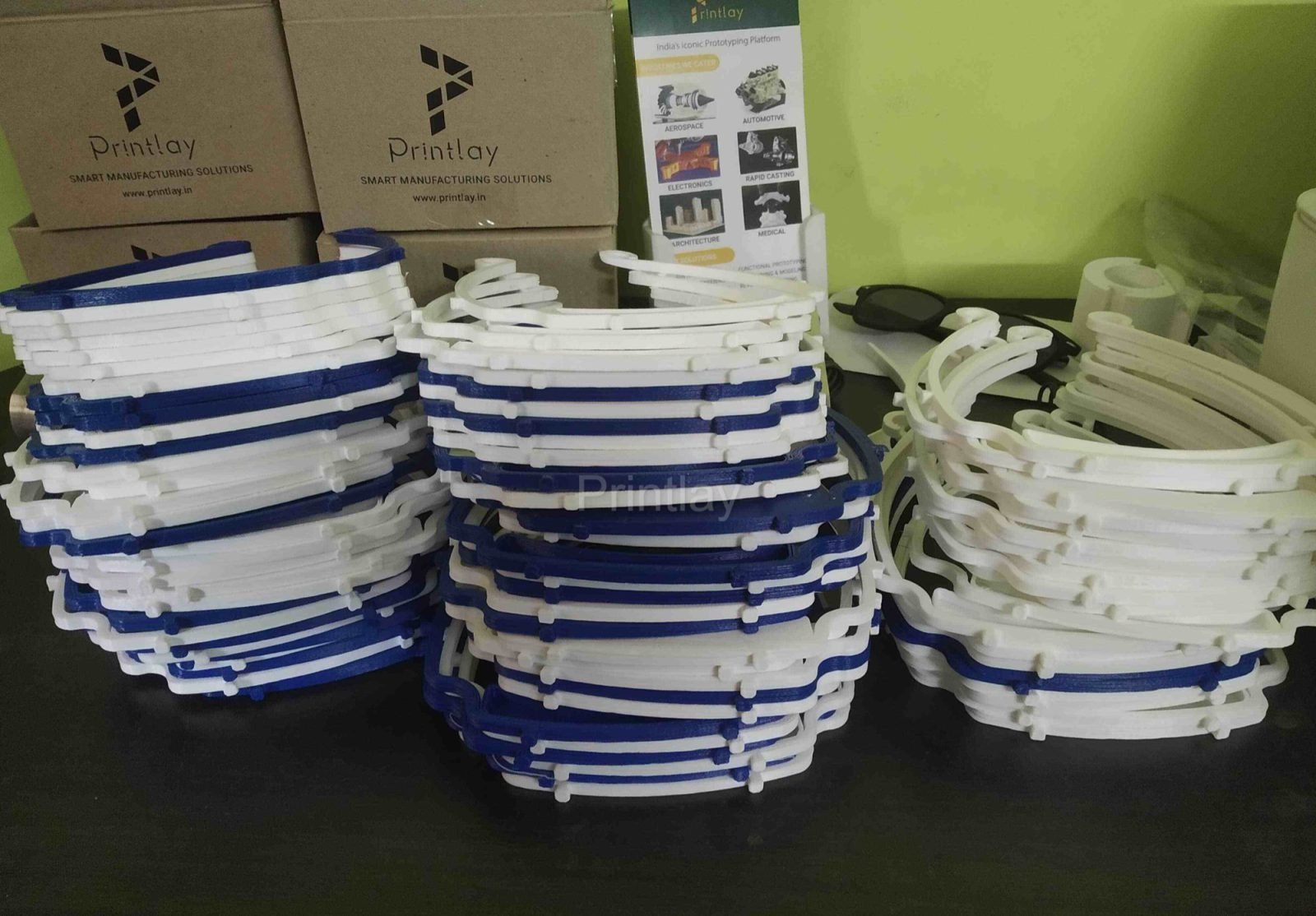
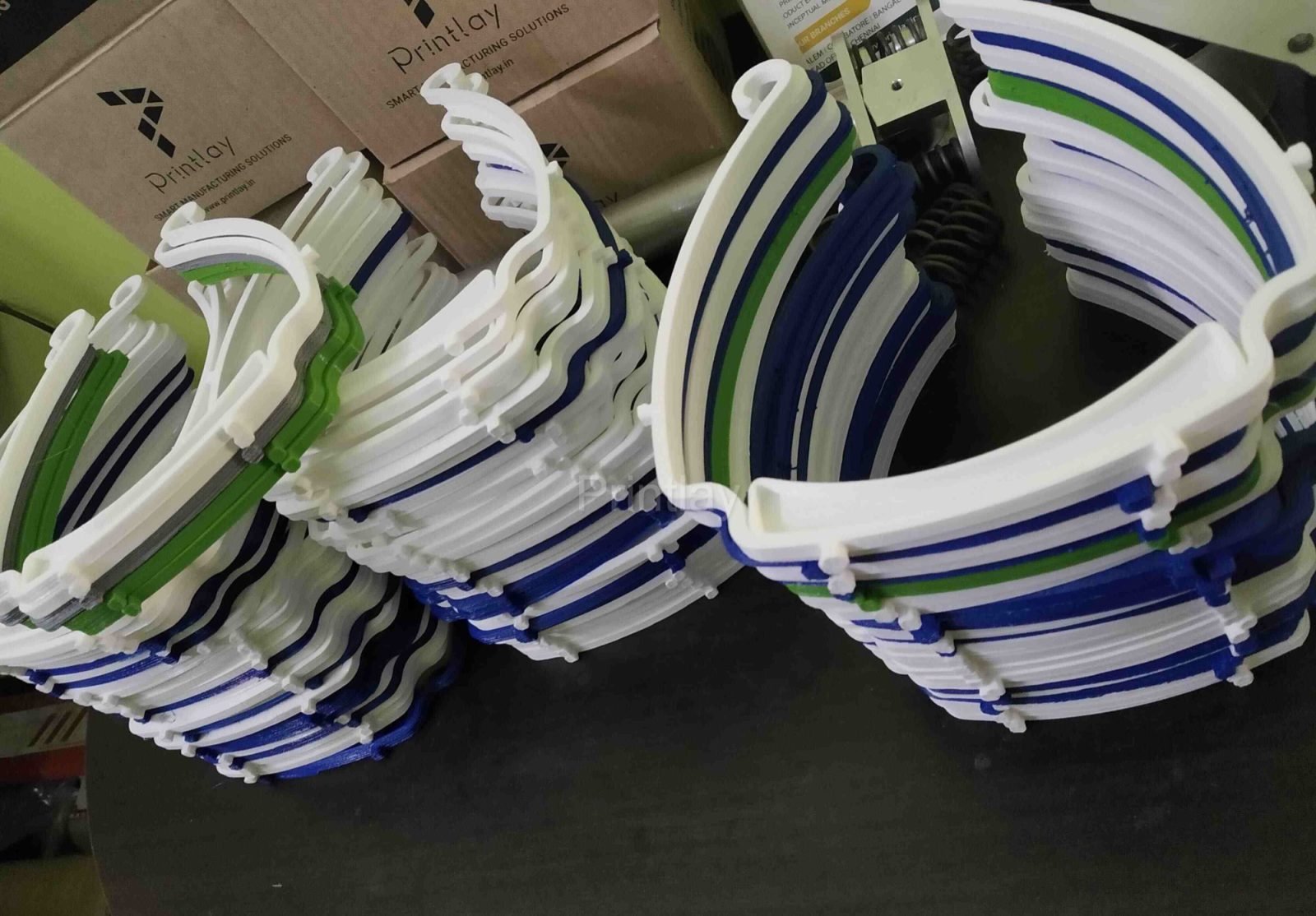
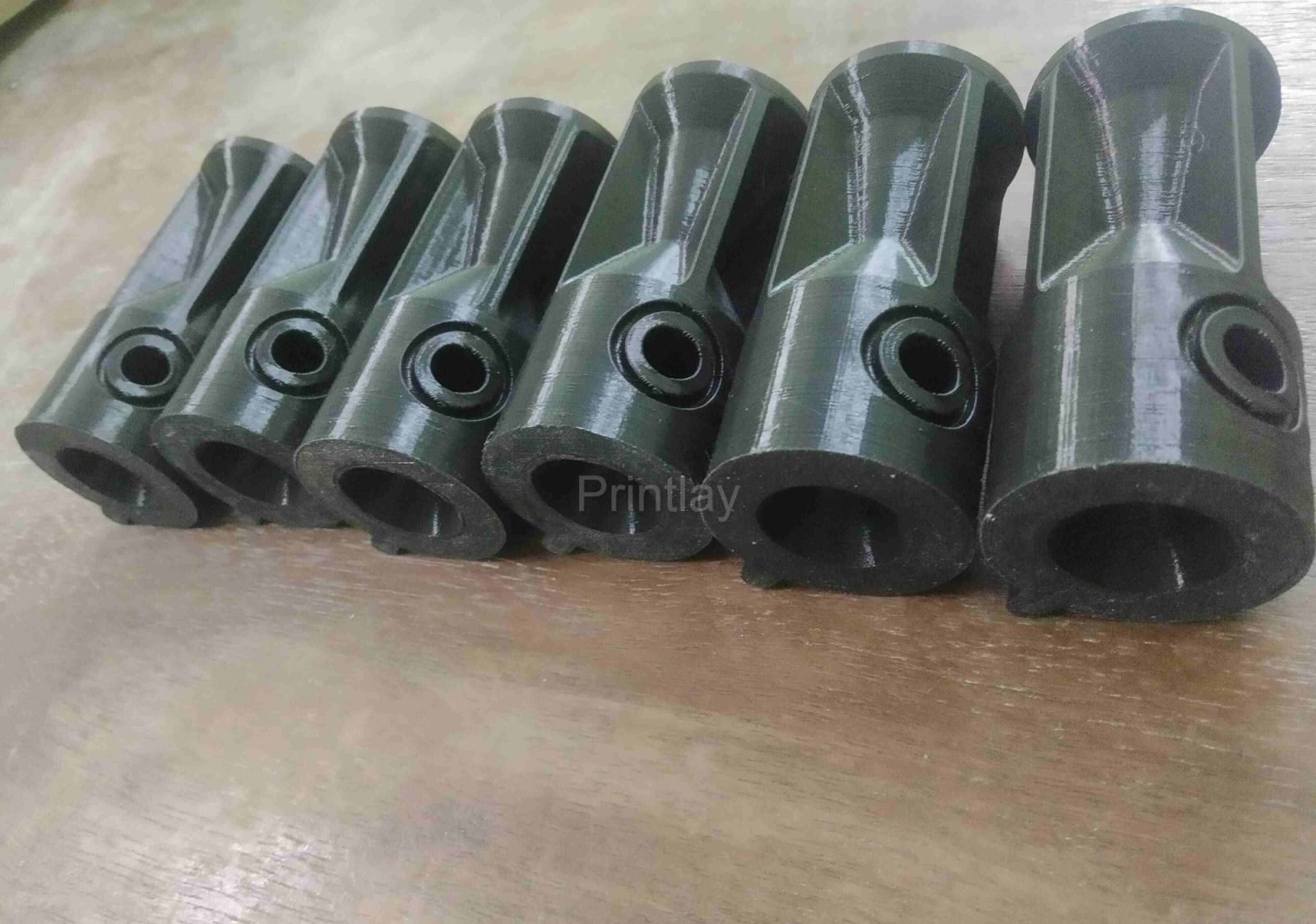
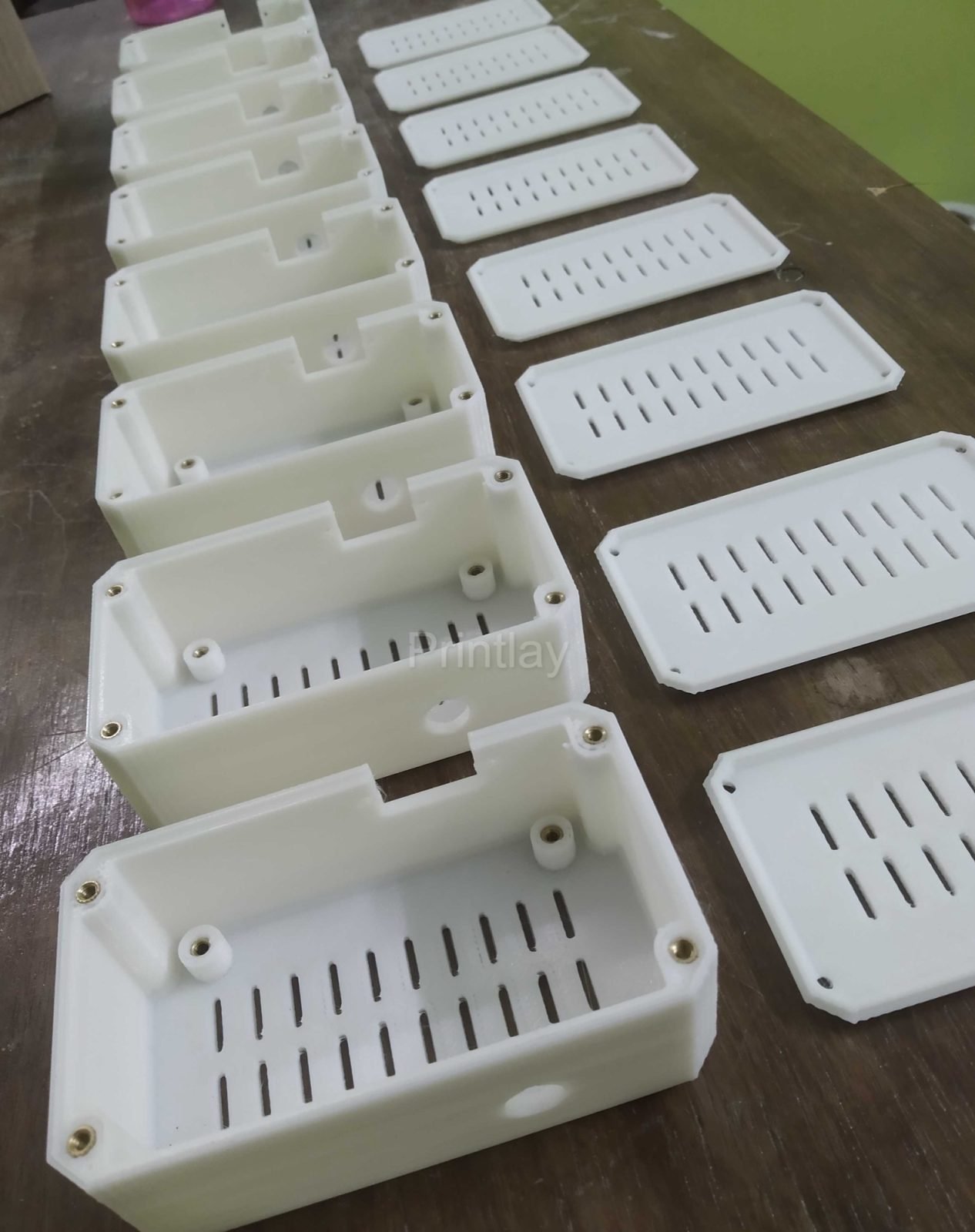
Short-batch manufacturing makes the quantity you actually need, now — in the real production material and finish — using whichever process fits the volume. No steel tool to pay for, and no warehouse full of stock for demand that may never come.
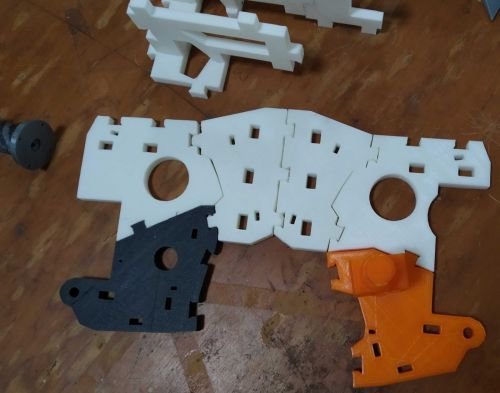
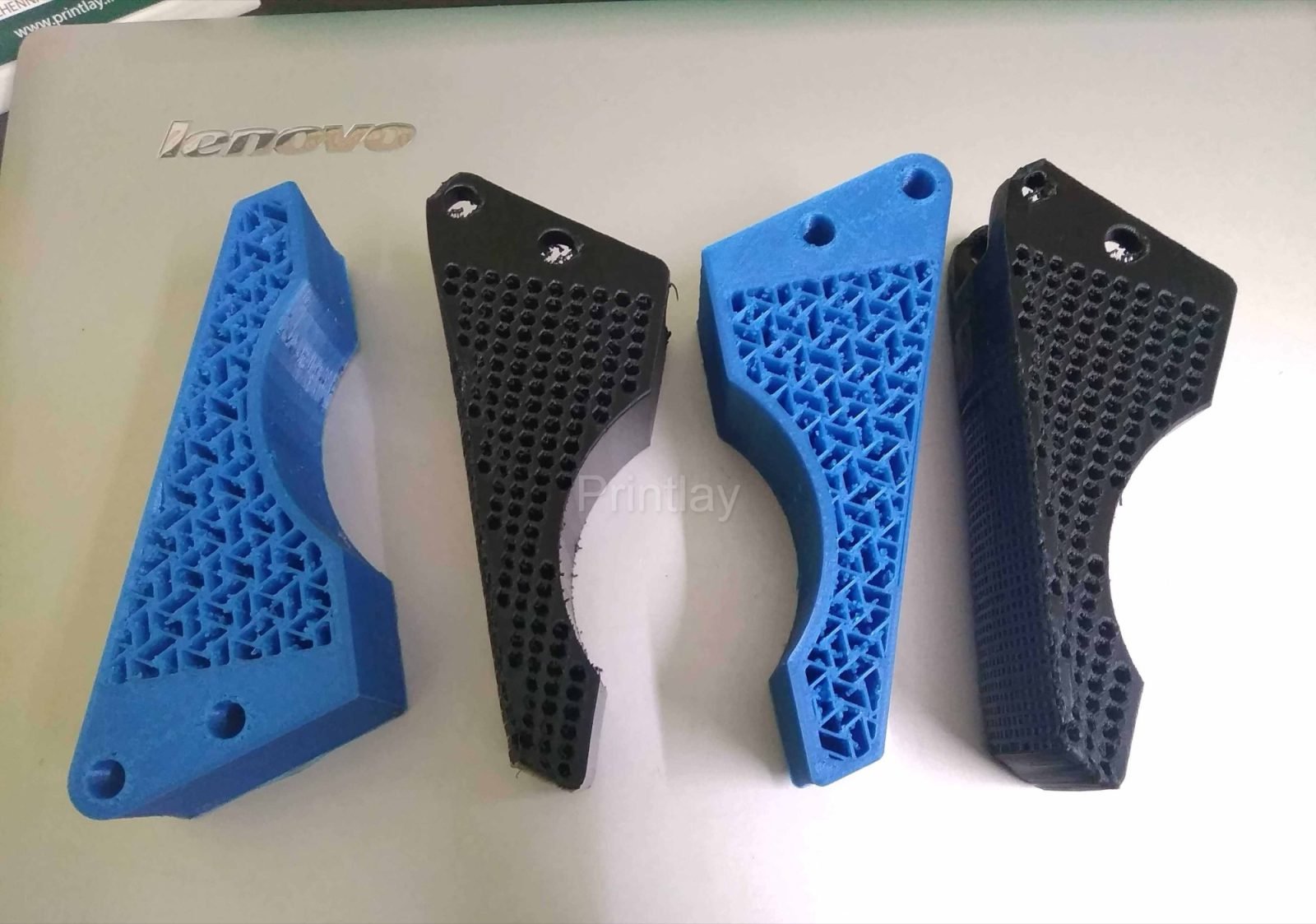
- Batch 3D printing, vacuum casting, rapid CNC and rapid injection tooling.
- We pick the process for the quantity and part — and change it as you scale.
- Finished, assembled and inspected parts, not just raw components.
- Keep your files and tooling with us for on-demand repeat runs.
When it fits
Where short-batch production makes sense
Pilot & market launch
Get real product into customers hands and test demand before mass-tooling.
Bridge to production
Keep parts flowing while a hardened production tool is designed and cut.
Design still evolving
Roll changes into the next batch instead of scrapping a big inventory.
Seasonal & spare demand
Make small quantities only when the season or a service order calls for them.
MOQ too low for a moulder
When a traditional moulder won’t take a job of a few hundred parts.
Custom & variant batches
Short runs of personalised or region-specific product variants.
Process by volume
The right method for your quantity
Ranges overlap — part size, geometry and material shift the crossover point. We confirm the best route in the quote.
Batch 3D printing
FDM, SLS and SLA. Any geometry, no tooling, mix of parts in one build.
Typical lead: A few daysVacuum casting
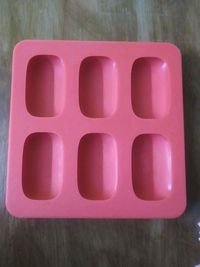
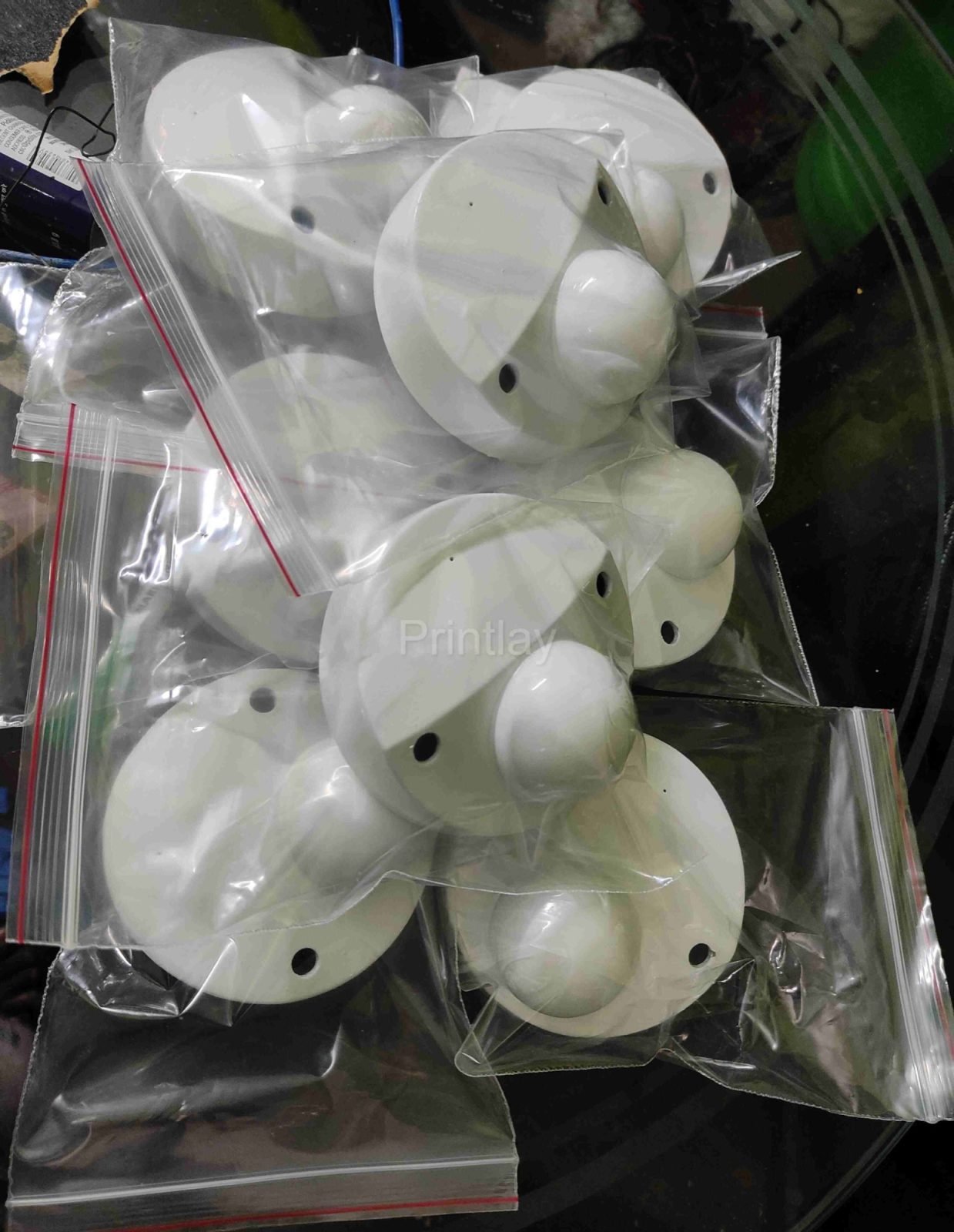
Cast urethane from a silicone mould — production-like plastics and rubbers.
Typical lead: 1–2 weeksRapid CNC / SLS batch
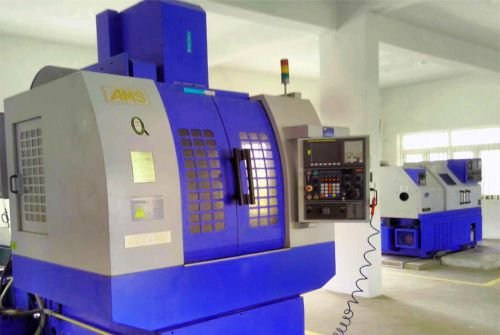
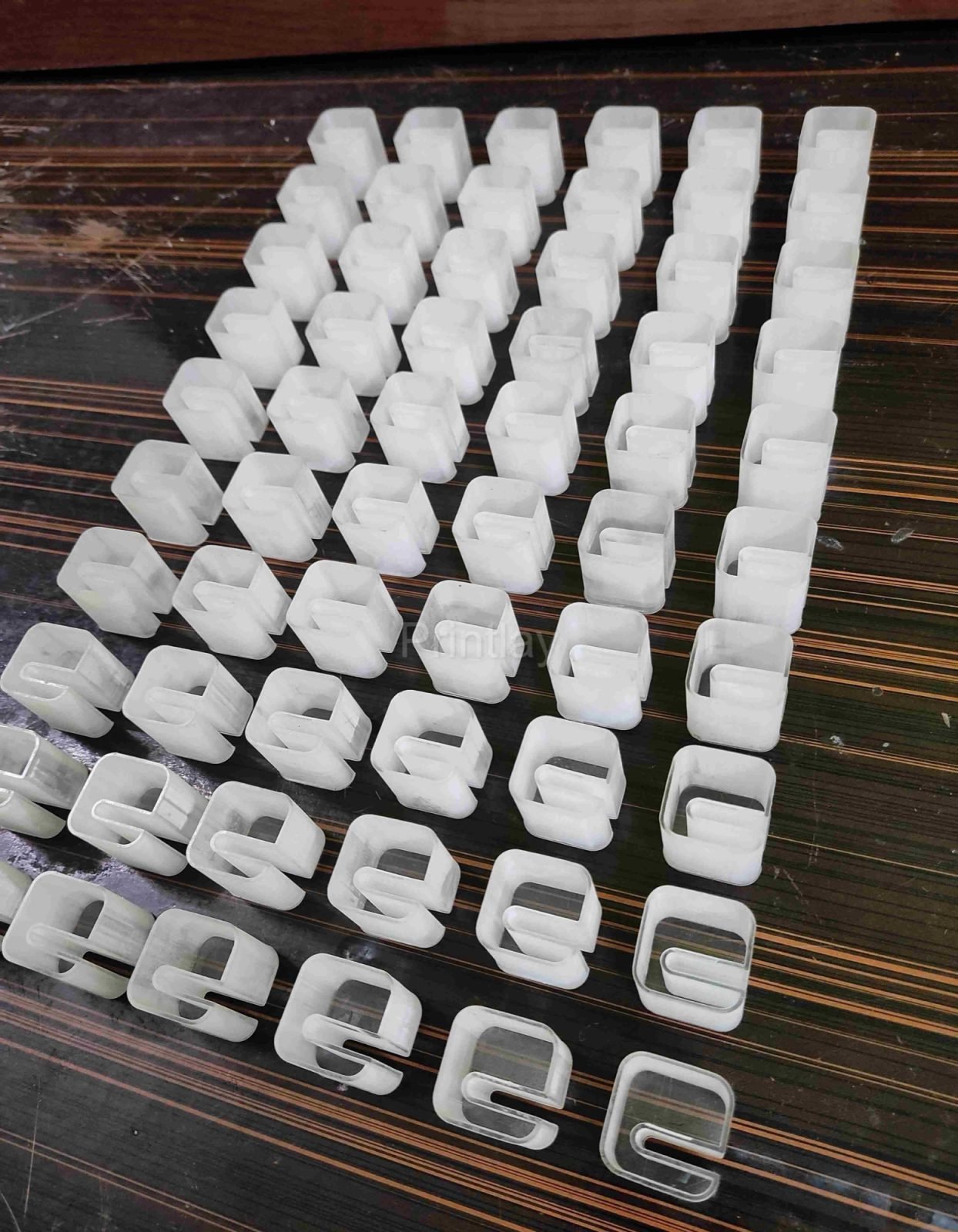
Machined metal & plastic, or nested SLS runs for repeatable strength.
Typical lead: 1–2 weeksRapid injection tool
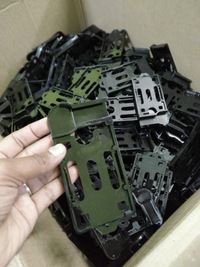
Aluminium mould tooling — true injection parts at bridge-volume cost.
Typical lead: 2–3 weeksBeyond making parts
The whole batch, not just the components
Why Printlay
One partner, every volume
Every process in-house or coordinated
Printing, casting, machining and tooling under one roof — one quote, one point of contact.
DFM before the run
Each part is reviewed for its process so the batch comes out right the first time.
No tooling lock-in
Start with printing or casting; add a tool only when the volume justifies it.
Scales with you
As demand grows we move you to the next process without changing supplier.
Materials
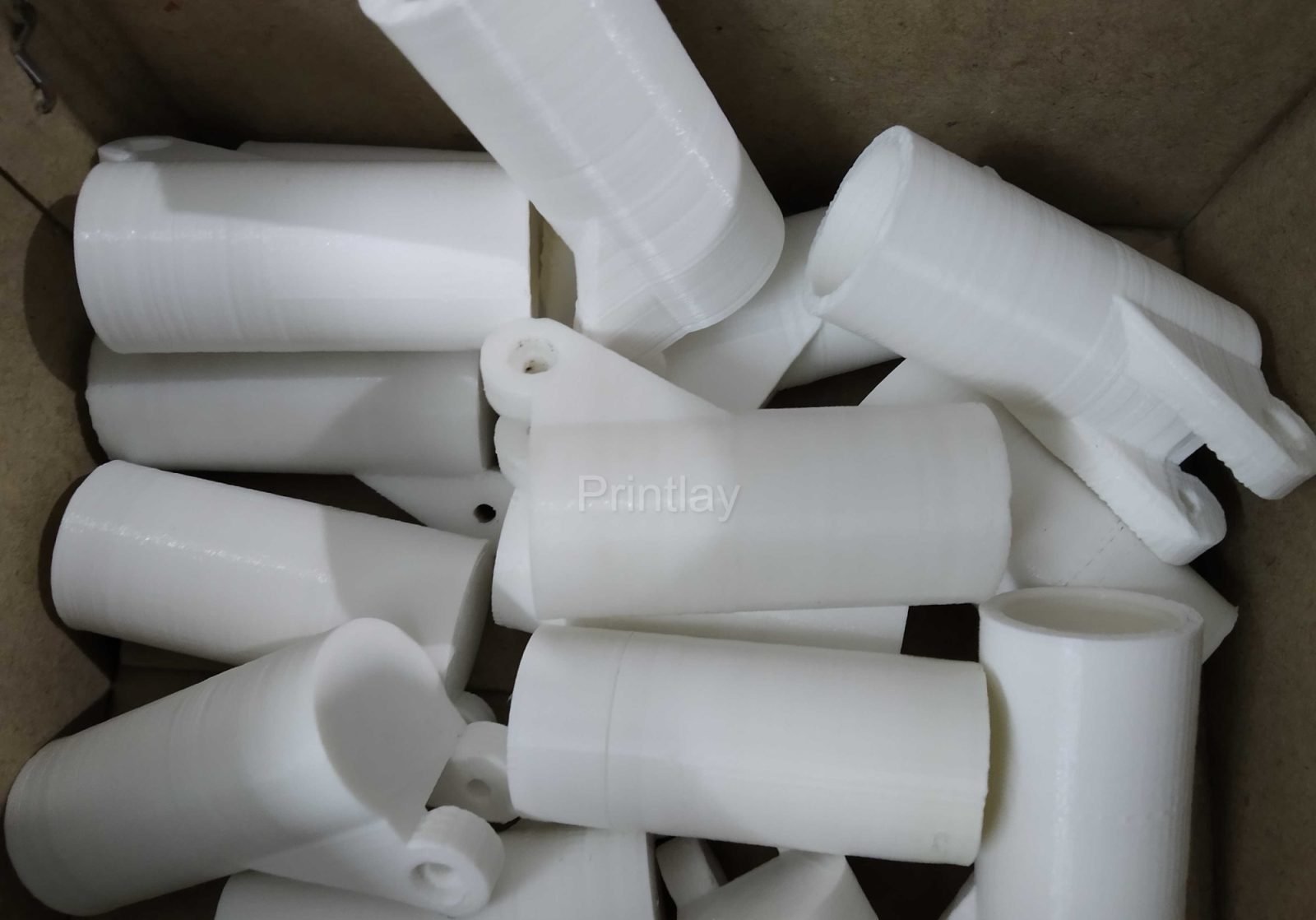
Made in the material you will ship
FAQ
Common questions
What is the minimum and maximum quantity?
From a single part up to a few thousand. Below ~10 we usually 3D print; 10 to 100 suits vacuum casting; hundreds to a few thousand move to rapid CNC or a rapid injection tool.
How fast can a batch be delivered?
Printed batches in days, cast urethane batches in 1 to 2 weeks, and rapid-tooled mouldings in 2 to 3 weeks. Every quote states the lead time for your quantity.
Can you hold the design and make parts only when I order?
Yes. We keep your files and any tooling ready and produce fresh batches on demand, so you avoid holding stock.
Can one order use more than one process?
Yes. A single assembly can mix printed, cast and machined parts — we pick the best process per part and deliver the finished set.
Do you finish and assemble the parts?
Yes — painting, texturing, printing and labelling, insert fitting, sub-assembly, inspection, and packing or kitting to your requirement.
When should I switch to full injection moulding?
Once annual volumes are consistently in the tens of thousands, a hardened production tool has the lowest per-part cost. We help you make that call and can design and build the tool.
Related services