
Why 3D printing here
From design iteration to low-volume parts
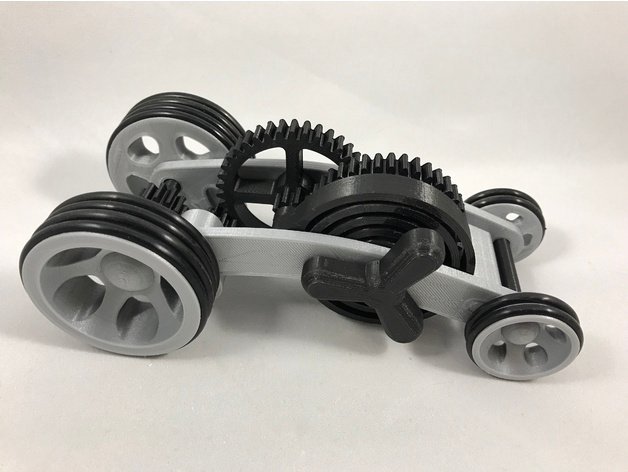
Automotive development moves through many stages of designing, testing and trading before a part is production-ready. 3D printing lets engineers produce and evaluate functional prototypes in hours rather than the days conventional machining takes, so design issues surface and get fixed early.
- Functional prototypes ready in hours, not days
- Jigs, fixtures and checking gauges built to spec
- Lighter parts than conventional metal-cutting for the same geometry
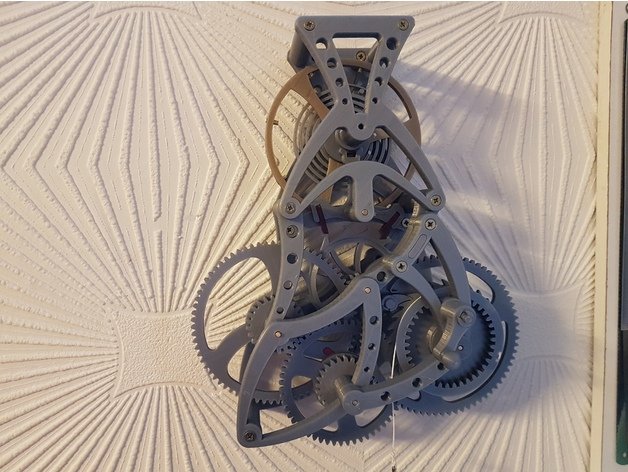
- Complex bodies and ducting that would be costly to machine
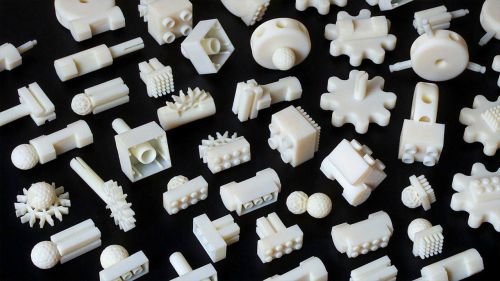
- Low-volume end-use and replacement parts
What we produce
Built for the automotive development cycle
Form & function prototypes
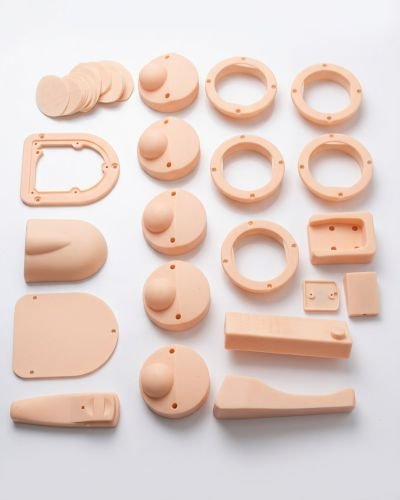
Test fit, form and function before committing to tooling or a production run.
Jigs & fixtures
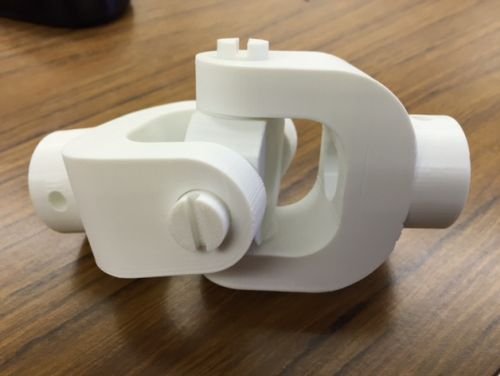
Assembly jigs, checking fixtures and workholding built to your exact geometry.
Tooling inserts
Printed tooling and inserts that cut lead time compared to machined tooling.
Low-volume end-use parts
Brackets, housings, ducting and replacement parts in production-grade plastics.
Durable engineering materials
ABS, PETG, nylon, PA-CF and DMLS metal, matched to what the part needs to survive.
Faster than machining
A part that takes days to machine can often be printed and in your hands in hours.
Good to know
Frequently asked questions
What automotive parts can you 3D print?
Form and function prototypes, assembly jigs and fixtures, checking fixtures, tooling inserts, brackets, ducting and low-volume end-use or replacement parts.
How much faster is 3D printing than machining a prototype?
A functional prototype that would take several days by conventional machining can often be printed in hours, so design iterations get tested and corrected much faster.
Which materials do you recommend for automotive parts?
It depends on the part: durable engineering plastics such as ABS, PETG, nylon and PA-CF for jigs, fixtures and functional prototypes, and DMLS metals for parts that need to withstand higher loads or heat.
Can 3D printing replace metal-cut automotive parts?
For complex, lightweight or low-volume parts, yes - 3D printed plastic parts are often lighter and cheaper to produce than parts made by conventional metal-cutting for the same geometry, especially at prototype and small-batch volumes.
Have an automotive part to prototype?
Send us a CAD file, a sketch or a sample and we'll get back with a printability check and a quote.