Low-volume production
Production-quality parts before you commit to steel tooling
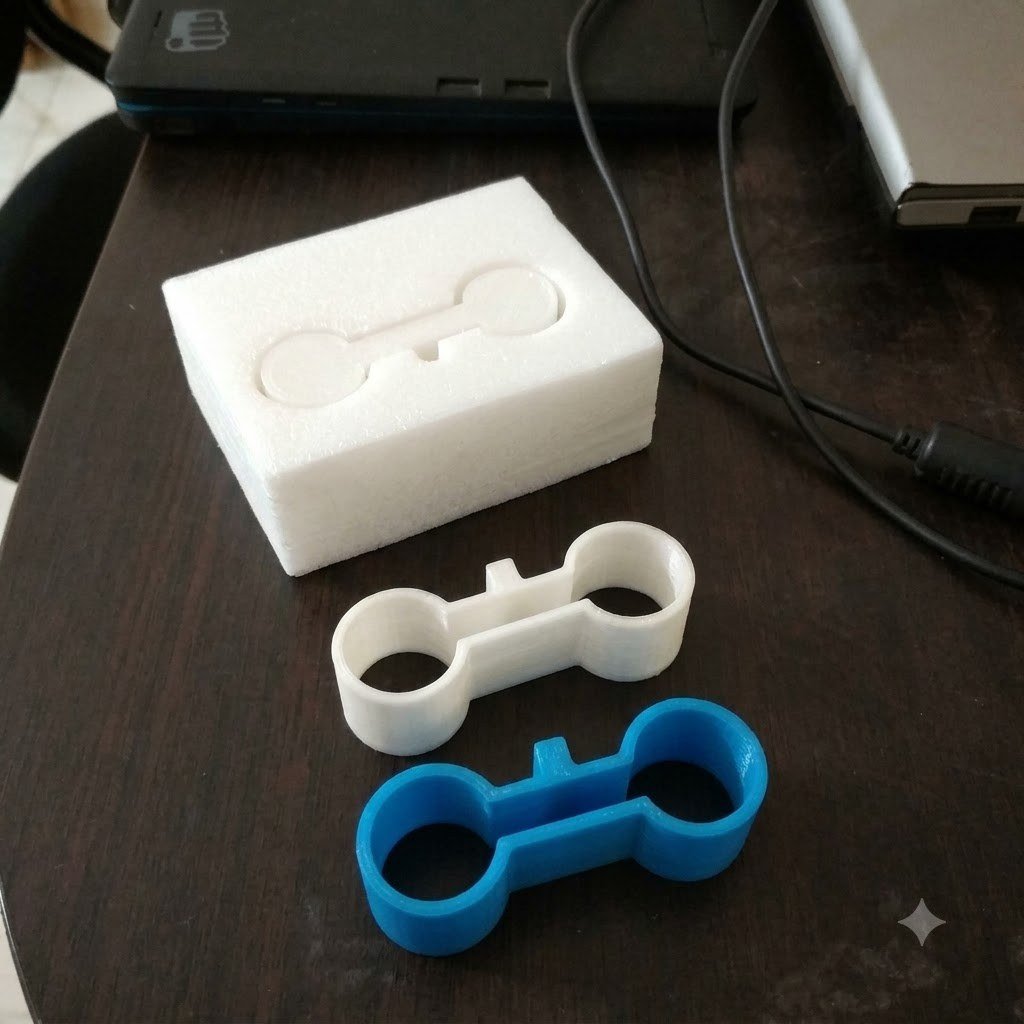
A silicone mould is taken straight off a master pattern — a 3D print, a machined part, or a sample you send us. Parts are then vacuum-cast in polyurethane resins that mimic production plastics and rubbers. You get finished parts in days, at a fraction of injection-mould cost.
- Ideal for 10–100 off: functional prototypes, pilot runs, trade-show samples.
- Rubber-like or rigid, transparent or colour-matched, textured or gloss.
- Send a CAD file and we can 3D print the master for you.
The process
How silicone moulding works
Master pattern
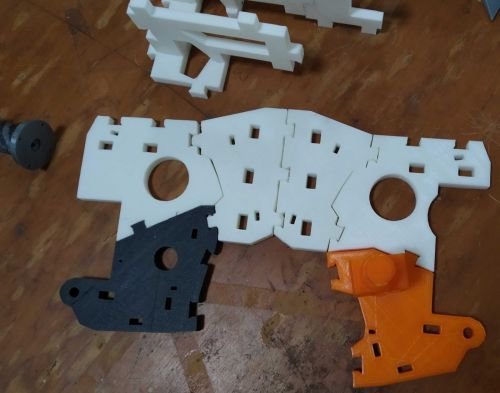
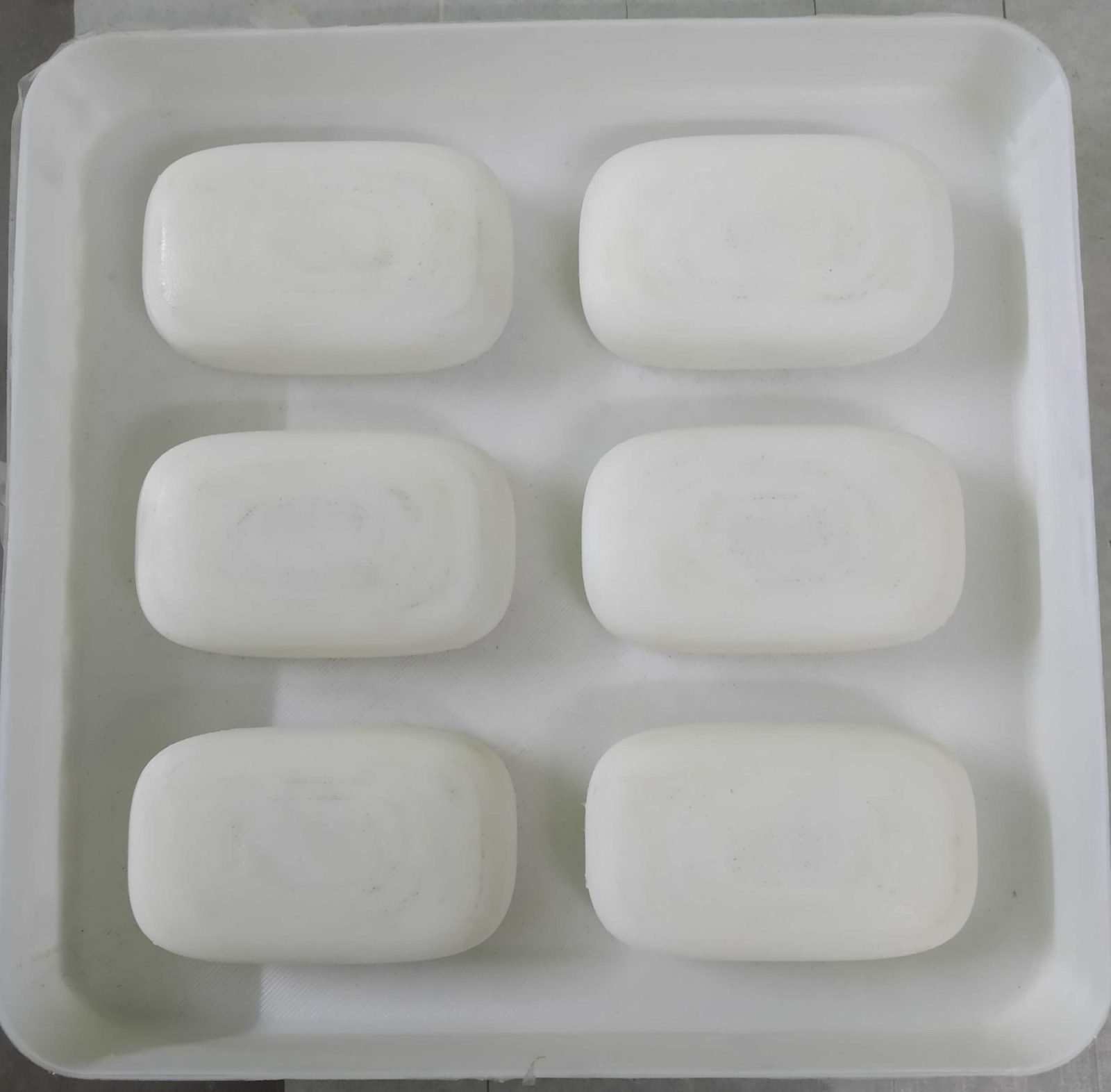
We prepare or receive a master — usually an SLA 3D print, finished to the exact surface you want on the final parts.
Silicone mould
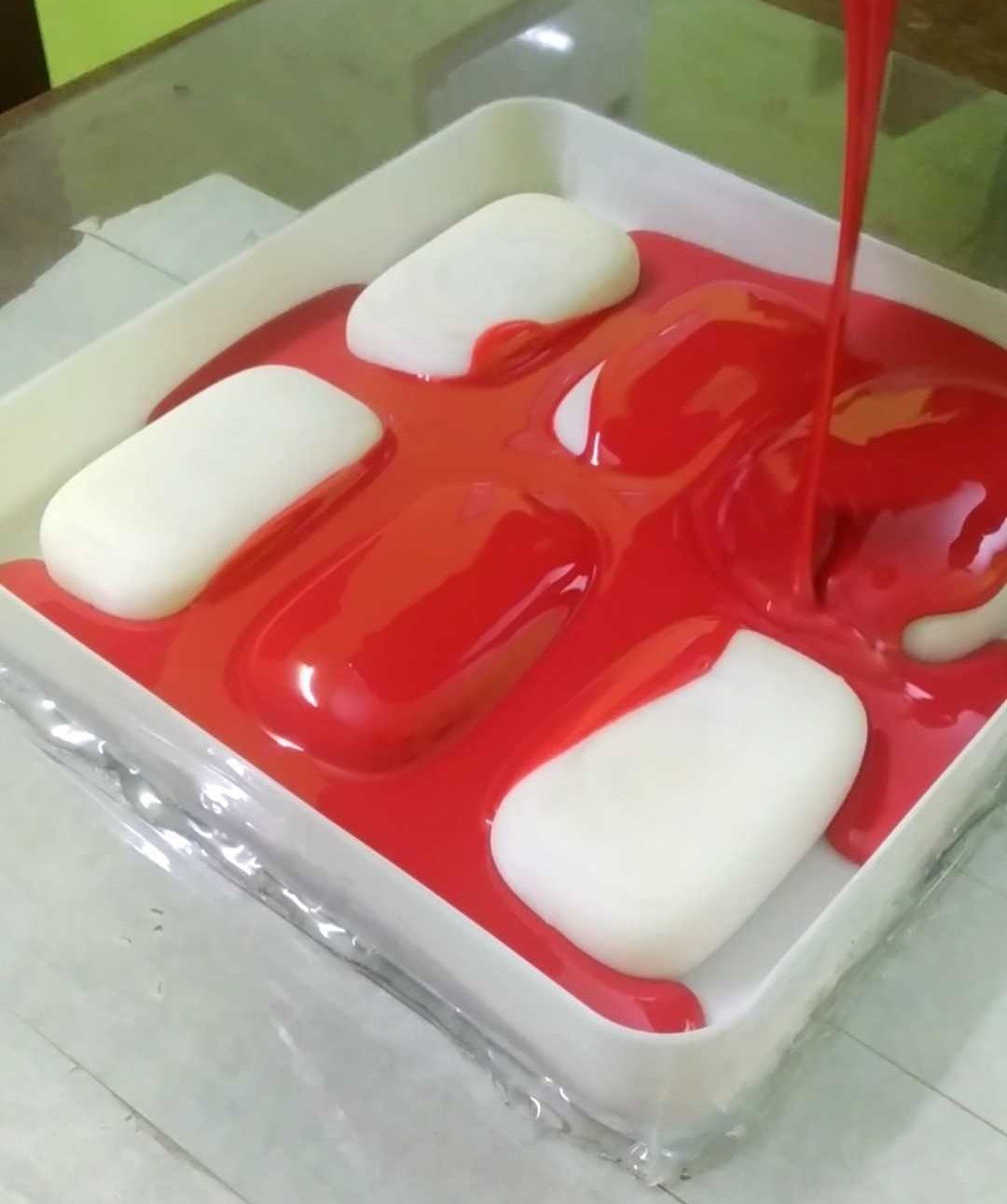
The master is suspended in a frame and liquid RTV silicone is poured around it. Once cured, the mould is cut open and the master removed.
Vacuum casting
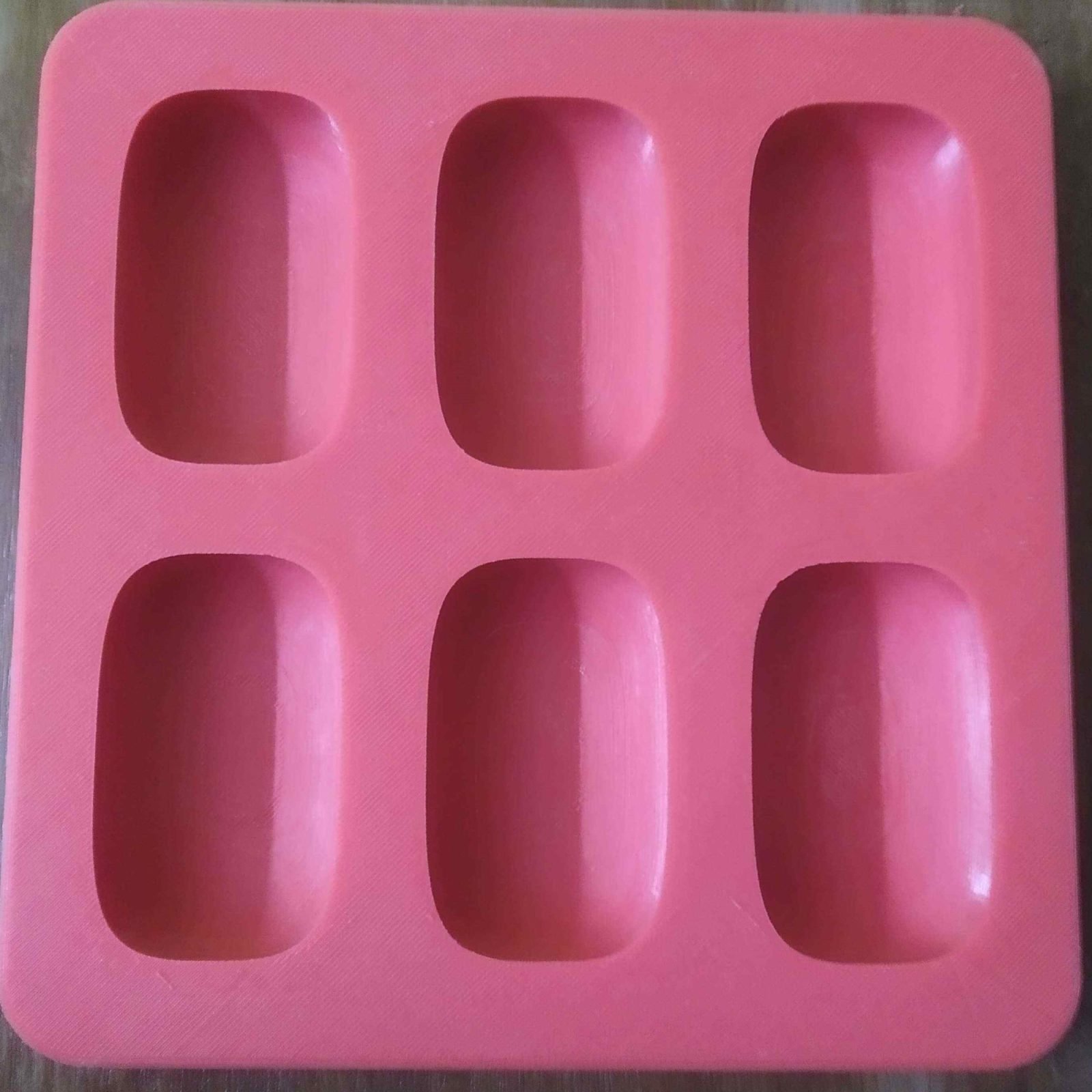
Polyurethane resin is degassed and cast into the mould under vacuum, oven-cured, then demoulded. Each mould yields roughly 15–25 parts.
Why choose it
Why make silicone moulds?
Low tooling cost
A silicone mould costs a small fraction of a steel injection tool.
Days, not weeks
First parts typically in 1–2 weeks from receiving your master.
Fine detail & texture
Silicone captures sharp features, engraved text and surface texture faithfully.
Rubber to rigid
Cast anything from Shore 20A flexible rubber to glass-filled rigid resin.
Colour & clarity
Colour-matched to a Pantone, or clear and tinted for lenses and housings.
Overmoulding & inserts
Two-shot overmoulds, threaded inserts and captive hardware cast in place.
Materials
What we can cast
Polyurethane casting resins are matched to the production plastic you are targeting — from soft-touch rubber to stiff, heat-resistant housings.
Related services